

Discover Essential Factors for Tyre Fitting in Blacktown

Quality tyre fitting blends accurate installation, calibrated equipment and solid post-fit checks to keep your vehicle safe, predictable and economical on the road. This guide explains what “quality” means for drivers in Blacktown, the step-by-step work technicians should follow, how to pick tyres that suit local driving, and the simple maintenance routines that protect tyres over time. Too often, drivers miss details like dynamic balancing, alignment tolerances and matching load indexes. Those gaps can cause vibration, uneven wear and higher fuel bills. By concentrating on technician skill, equipment standards and post-fit verification, this article gives practical advice you can use before booking a service or inspecting newly fitted tyres. We cover the professional fitting workflow, tyre selection for different needs, routine care to extend tyre life, why a trusted local centre matters, signs of poor fitting to watch for, and how correct fitting helps fuel economy and safety. Relevant search terms such as tyre fitting services Blacktown, precision wheel alignment Blacktown and tyre safety checks Blacktown are included to help you find the right service.
What Are the Essential Steps in a Professional Tyre Fitting Process?
A proper tyre fitting follows a clear, repeatable workflow so tyres are mounted, balanced, aligned and checked to vehicle and manufacturer specifications. It begins with a pre-fit inspection to confirm the tyre and wheel are sound, moves to careful mounting and inflation to the correct pressures, includes dynamic wheel balancing to address rotational imbalances, and finishes with alignment verification and a road test to confirm results. Each stage uses specialist tools, mounting machines, dynamic balancers, alignment rigs and experienced technicians who interpret diagnostics and correct issues. Paperwork and a short follow-up check wrap up the job, reducing the chance of early problems and ensuring the vehicle behaves as expected. Below is a compact checklist you can use when evaluating a workshop.
- Pre-fit inspection: verify tyre, rim, valve and hub condition.
- Correct mounting and inflation: seat beads and set cold pressures to spec.
- Dynamic wheel balancing: correct lateral and radial imbalances.
- Wheel alignment check and adjustments: camber, toe and caster as required.
- Post-fit inspection and test drive: torque lug nuts, verify no vibrations.
These steps are the baseline for a dependable installation. Knowing them helps you confirm a fitter followed best practice before you drive away.
How Does Precise Tyre Mounting and Balancing Improve Vehicle Performance?
Accurate mounting and correct balancing cut vibration, sharpen steering feel and reduce uneven tread wear by ensuring the wheel and tyre spin on a true axis. Static balancing takes care of single-plane heavy spots; dynamic balancing fixes dual-plane issues that show up as speed-dependent vibration. Together, they deliver a smoother ride and lessen stress on suspension parts. Calibrated equipment matters; a correctly set dynamic balancer and a tyre properly seated on the rim produce reliable corrective weights within expected tolerances. For instance, correcting a 20–30 g imbalance on a front wheel often removes steering-wheel shake and slows shoulder wear, improving comfort and tyre life. Understanding balancing is also why a post-fit alignment check is essential.
Operational Variables Influencing Wheel Balancing Measurements
Nabar, Aneesh. The University of North Carolina at Charlotte. ProQuest Dissertations & Theses, 2016. 10127151.
A study of operational variables influencing wheel balancing measurements, 2016
Why Is Wheel Alignment Critical After Tyre Installation?
Wheel alignment sets the suspension geometry camber, toe and caster so tyres meet the road at the right angles and share the contact patch evenly. When alignment is out, tyres show inner or outer edge wear, the vehicle may pull to one side, and straight-line stability suffers; new tyres can show these symptoms quickly if alignment isn’t within tolerance. Alignment also affects rolling resistance: even small toe errors add drag and can reduce fuel economy, so meeting manufacturer tolerances supports both efficiency and safety. A thorough fitting includes an alignment check after mounting and balancing; if that’s not done, request a separate alignment inspection to avoid early wear. Verifying alignment completes the immediate quality checks and leads to the ongoing maintenance you should follow.
How to Choose the Right Tyres for Your Vehicle in Blacktown?
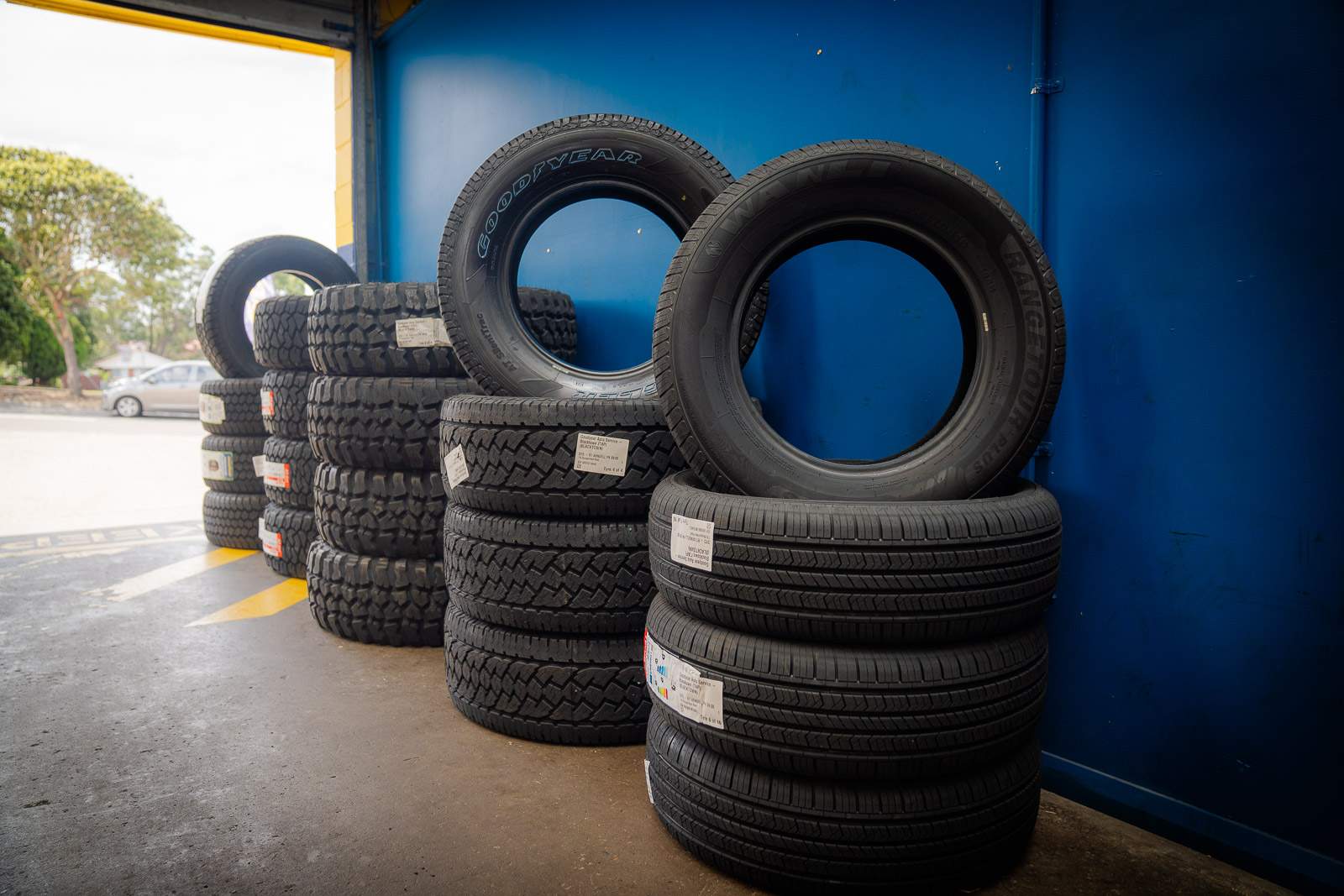
Choosing the right tyres means matching tyre type, size and performance to your vehicle, driving habits and the conditions you face around Blacktown. Think about intended use (daily commute, sporty driving, towing or off-road), wet-weather grip for local rain, the vehicle’s load index, and the balance between rolling resistance, tread life and price. Check the tyre sidewall and vehicle placard for the factory size and load/speed ratings; when in doubt, a qualified technician can confirm fitment and suspension compatibility. Brands you’ll commonly find include Goodyear, Dunlop, Continental, Pirelli and Maxxis. They cover a range of prices and performance choices, and a technician can help weigh up warranty, expected life and wet-weather performance. Use the checklist below to narrow options before you compare specific tyres.
- Check the manufacturer-recommended tyre size and load index from the vehicle placard.
- Match tyre type to driving needs (commute, performance, 4x4, leisure).
- Prioritise wet-grip and tread compound if you frequently encounter rain or heavy braking scenarios.
- Compare warranty, expected longevity and price among available brands.
- Consult a certified technician for fitment and offset/clearance checks.
Picking tyres with purpose reduces risk and gives a more comfortable drive. Once you have a shortlist, the table below helps compare typical trade-offs for common tyre classes.
Different tyre categories offer distinct trade-offs for everyday Blacktown driving.
| Tyre Category | Best For | Wet Grip | Longevity |
| All-season | Daily commute, mixed conditions | Moderate | 40,000–60,000 km |
| Performance | Sportier handling, responsive steering | High (in dry) | 20,000–40,000 km |
| 4x4 / All-terrain | Off-road and towing | Variable (depends on tread) | 30,000–60,000 km |
This simple comparison helps you match a tyre class to your typical routes and expectations before you drill down into brand differences.
What Are the Differences Between All-Season, Performance, and 4x4 Tyres?
All-season tyres aim for balanced grip, predictable handling and longer tread life, a solid choice for most Blacktown commuters. Performance tyres use softer compounds and aggressive tread designs to boost dry grip and steering response, but they tend to wear faster and may lose some wet traction. 4x4/all-terrain tyres have tougher sidewalls and deeper tread to resist cuts and provide off-road traction; they can be noisier and increase rolling resistance. Each category uses different compounds and tread geometry, which influence braking distance, aquaplaning resistance and wear under local conditions. Choose based on how often you drive off sealed roads, the handling you want and how frequently you’re prepared to replace tyres.
How Do Tyre Specifications Like Size, Load Index, and Speed Rating Affect Safety?
Tyre codes such as 205/65R15 94H carry essential fitment and performance data: section width and rim diameter determine fit; the load index (94) is the tyre’s maximum carrying capacity; and the speed rating (H) indicates the tyre’s tested speed capability. Fitting tyres with a lower load index than recommended can overload them, increasing heat and failure risk under heavy loads or hot conditions. Using a tyre with the wrong speed rating or diameter can affect handling and speedometer accuracy. Manufacturers set safe combinations for a reason. When you change rim sizes or aspect ratios, get technician advice to keep safety and legal compliance intact. Correct specs protect vehicle dynamics and reduce the chance of unexpected failures.
What Are the Key Maintenance Practices to Extend Tyre Life and Safety?
Simple, regular maintenance keeps tyres performing and lasting longer. Monthly pressure checks, routine tread-depth inspections, scheduled rotations and prompt attention to punctures are the core habits that prevent uneven wear, maintain grip and lower blowout risk. Keeping a maintenance log and noting changes in ride, noise, or steering feel helps spot developing issues early. Workshops can help with rotations, puncture repairs and warranty work using these services at the right intervals supports a longer, safer tyre life. The table below summarises practical maintenance steps and suggested timing to help you plan checks.
The table below summarises common maintenance actions, suggested frequencies and the primary benefits for tyre life and safety.
| Maintenance Action | Frequency | Benefit |
| Tyre pressure check | Monthly and before long trips | Ensures correct contact patch and reduces rolling resistance |
| Tread depth inspection | Every 3 months or 5,000–10,000 km | Detects wear before legal/safety limits are reached |
| Tyre rotation | Every 10,000 km | Promotes even wear across all tyres |
Consistent maintenance lowers the chance of unexpected failures and helps fuel efficiency; your local workshop can handle repairs and warranty questions when needed.
How Often Should You Check Tyre Pressure and What Are the Best Monitoring Tips?
Check tyre pressure at least once a month and before long trips, using cold tyre readings for accuracy measure before driving or after the car has been still for a few hours. TPMS is useful for alerts but shouldn’t replace manual checks, since systems vary and may not flag gradual underinflation. Adjust pressures for load and payload where relevant and follow the vehicle placard’s cold-pressure recommendations; don’t forget the spare. Logging pressure readings over time highlights slow leaks or valve problems and helps plan maintenance, a habit that dovetails with tyre rotation and repair routines.
When and Why Is Tyre Rotation and Puncture Repair Necessary?
Rotate tyres roughly every 10,000 km (or follow your vehicle maker’s guidance) to even wear between positions that face different loads and steering forces. This prolongs tyre life and cuts replacement costs. Small, central tread punctures can often be repaired if the tyre’s structure is intact; sidewall or large punctures usually mean replacement for safety. A workshop will inspect the tyre inside and out to decide whether a repair meets safety standards and will document the work. Regular rotation and timely repairs keep tyre performance consistent and reduce the risk of sudden failures that affect safety or convenience.
Why Choose Goodyear Autocare Blacktown for Quality Tyre Fitting Services?
Goodyear Autocare Blacktown offers a local, in-store service that pairs certified technicians with workshop-grade equipment, clear pricing and customer-focused care, everything needed for quality tyre fitting in Blacktown. We specialise in tyre fitting, precision wheel alignments and mechanical work from brakes to computer diagnostics and battery service and stock leading brands like Goodyear, Dunlop, Continental, Pirelli and Maxxis to suit different needs and budgets. Our value propositions include transparent pricing, honest advice, same-day service where possible, complimentary tyre safety checks and warranties on work. You’ll find us at 116 Bungarribee Rd, Blacktown NSW 2148, ready to advise on tyre choices and provide documented post-fit checks.
- Certified technicians perform calibrated mounting, balancing and alignment.
- Leading tyre brands are available to match performance and budget requirements.
- Service guarantees include clear pricing, warranties and complimentary safety checks.
Those practical advantages, combined with local convenience, make it easier for drivers to get precise installations and ongoing support. The next section explains the benefits of proper equipment and trained staff.
What Benefits Do Certified Mechanics and Advanced Equipment Provide?
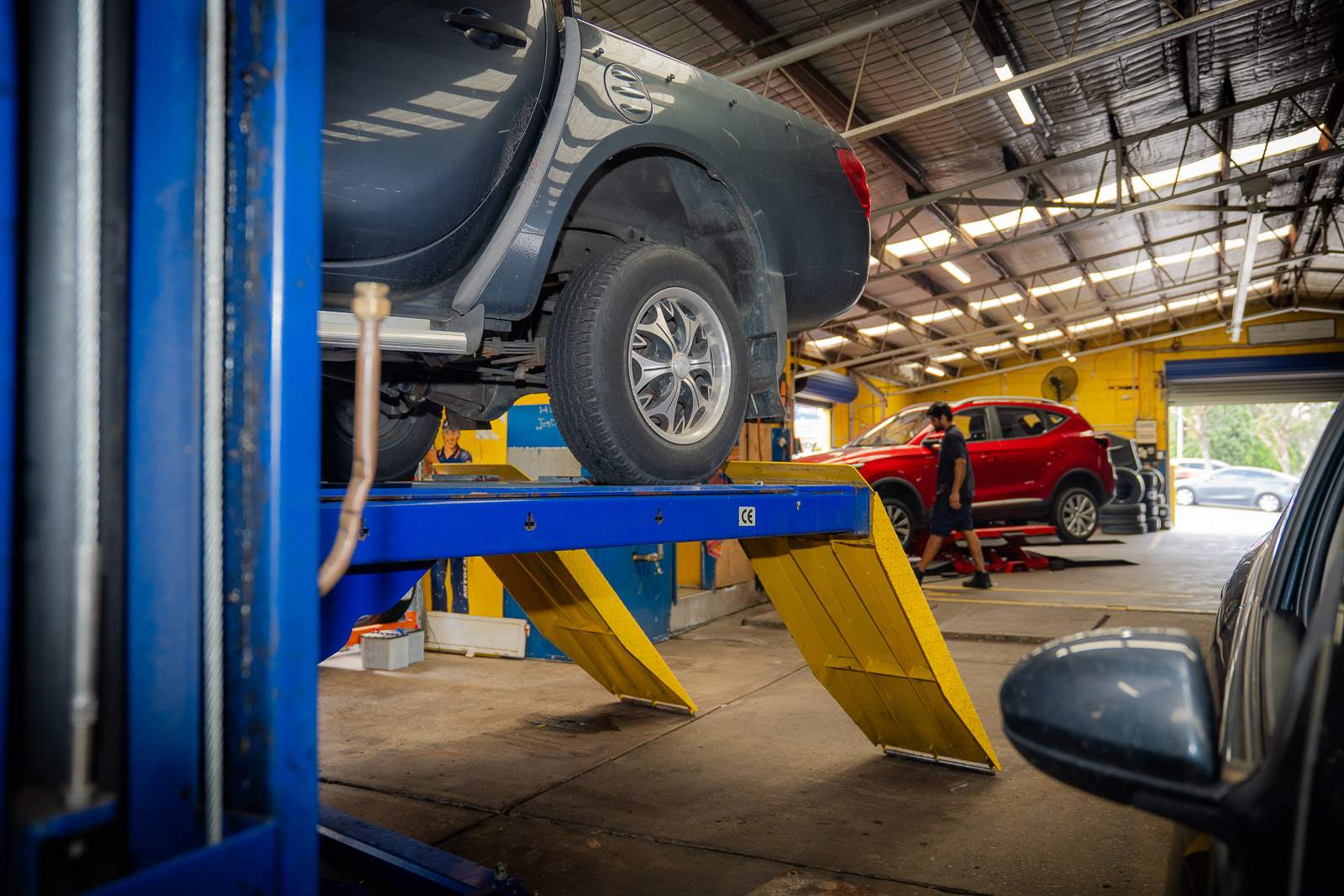
Certified mechanics who follow industry procedures deliver consistent results by sticking to calibration routines, torque specs and alignment tolerances that reduce human error. Workshop-grade equipment, dynamic wheel balancers, laser-assisted alignment rigs and calibrated inflation tools let technicians measure and correct issues to tighter tolerances than many mobile options. This diagnostic capability uncovers problems like bent rims, worn suspension parts or hub run-out that would otherwise shorten tyre life. The mix of trained staff and proper tools ensures accuracy and supports any warranty claims you may need to make.
How Does Transparent Pricing and Warranty Support Customer Satisfaction?
Clear pricing spells out parts, labour and any extra services so you can compare options and avoid surprises, which builds trust from booking to collection. Workmanship and product warranties shift risk away from you and provide recourse if installation issues or premature failures occur under the terms provided. Ask for written quotes and a warranty summary that explains what’s covered and any conditions (for example, rotation requirements). Open communication about price and warranty helps you make informed choices, reduces disputes and encourages repeat business.
What Are the Common Signs of Poor Tyre Fitting and How Can They Be Avoided?
Signs of poor fitting include ongoing vibration through the steering wheel, the car pulling to one side, unusually fast or uneven tread wear, or rubbing/thumping noises at certain speeds. These symptoms point to unresolved balance problems, misalignment, incorrect lug nut torque, or tyre-to-body contact. Catching issues early prevents bigger damage. Ask for a post-fit road test, visual confirmation that beads are seated and correct torque, and a documented follow-up within the first 50–100 km to catch settling problems. The short checklist below helps you spot when it’s time to return to the fitter for corrective work.
- Vibration at specific speeds: suggests balance or tyre defect.
- Steering pull or drift: indicates alignment deviation.
- Uneven wear patterns: points to alignment, balance or suspension faults.
Noticing these signs early lets the workshop correct issues before tyres suffer irreversible wear. The following sections explain how to diagnose common problems and what checks to request.
How to Identify Uneven Tyre Wear and Steering Issues Early?
Different wear patterns point to different causes: cupping often signals balance problems or worn shocks, feathering usually indicates toe misalignment, and inner/outer edge wear suggests camber errors or incorrect pressures. A simple steering-pull test on a quiet straight road and a visual tread-depth check can reveal early problems; measuring tread at multiple points gives objective evidence. When you spot concerning wear, technicians should inspect suspension parts, measure wheel run-out and verify alignment settings. Finding and fixing issues early reduces replacement costs and prevents further damage.
What Post-Fitting Checks Ensure Long-Term Tyre Safety?
Right after fitting, confirm lug nut torque to manufacturer specs, check cold tyre pressures, and take a short road test to detect vibration or noise. We recommend a follow-up inspection within 50–100 km to recheck torque and pressures, look for bead seating issues or slow leaks, and confirm there are no new abnormal wear signs. Request written copies of alignment readings and balancing weights so you have a record if a problem appears later. This documentation also supports warranty claims. These checks complete the installation process and set expectations for ongoing care.
How Does Quality Tyre Fitting Improve Fuel Efficiency and Driving Safety in Blacktown?
Proper fitting cuts rolling resistance and keeps the tyre contact patch optimal, which helps fuel economy and handling in everyday local driving. Correct tyre pressure, precise alignment and balanced wheels lower extra drag and uneven tread loading that waste fuel and increase stopping distances. Properly balanced and aligned tyres also improve braking stability and directional control, reducing the risk of incidents caused by unpredictable handling. Keeping up with pressure checks, rotations and professional inspections preserves these efficiency and safety benefits across the tyre’s life. The sections below explain the mechanics and direct safety advantages in practical terms.
In What Ways Does Correct Tyre Pressure and Alignment Reduce Fuel Consumption?
Underinflated tyres flex more and raise rolling resistance, making the engine work harder and increasing fuel use; overinflation shrinks the contact patch and can compromise grip and even wear. Correct alignment keeps tyres parallel and tracking straight, cutting lateral drag from toe or camber errors so the car uses less fuel on the same route. Regular pressure checks and timely alignment adjustments, therefore, add up to measurable savings and lower greenhouse emissions per kilometre. Monthly checks and addressing alignment problems quickly help those benefits last as loads and road conditions change.
How Does Professional Tyre Installation Enhance Overall Vehicle Safety?
Professional installation gives consistent grip, predictable handling and lower blowout risk by ensuring tyres are mounted without damage, balanced for smooth rotation and aligned for correct road contact, all vital for emergency manoeuvres and wet braking. Quality fitting prevents rapid, localised wear that can expose belts or cause tread separation, hazards that are more dangerous at speed or under load. Certified technicians also spot related faults, worn bushes, brake problems or bent rims that can undermine safety even with new tyres. Choosing professional fitting delivers immediate performance benefits and helps catch other risks before they become serious.
Frequently Asked Questions
What Should I Look for When Choosing a Tyre Fitting Service?
Choose a service with qualified technicians, modern equipment and a clear list of services. Look for certified mechanics who use industry-standard tools for mounting, balancing and alignment. Read customer reviews for real-world feedback, and check that pricing and warranty terms are transparent so you know what’s included and how issues will be handled.
How Can I Tell If My Tyres Are Properly Fitted?
Properly fitted tyres give a smooth ride with no persistent vibration, even tread wear and no steering pull. A short road test after fitting should confirm predictable handling. If you feel vibration, notice uneven wear or steering drift, the tyres may need rebalancing or an alignment check. Regular post-fit checks, torque and pressure verification help keep them in good condition.
What Are the Risks of Poor Tyre Fitting?
Poor fitting can produce uneven wear, worse fuel economy and compromised safety. Misalignment or imbalance can cause vibration, steering problems and extra strain on suspension parts. In extreme cases, it may lead to blowouts or loss of control. Minimise risk by choosing a reputable fitter and insisting on post-fit checks.
How Often Should I Have My Tyres Professionally Inspected?
Have a professional inspection at least every six months or before long trips. Regular checks catch uneven wear, pressure issues and damage early. Also, get your tyres inspected after a significant impact, like hitting a pothole, since that can affect alignment and balance.
What Maintenance Should I Perform Between Tyre Fitting Services?
Between visits, check tyre pressure monthly, inspect tread depth every few months and rotate tyres every 10,000 km. Watch for bulges, cuts or punctures and keep a simple maintenance log to track checks and repairs. This helps you act quickly when issues appear.
Can I Fit Tyres Myself, or Should I Always Use a Professional?
While some experienced DIYers change tyres, professional fitters have the right tools, training and safety knowledge to ensure correct mounting, balancing and alignment. Incorrect fitting can be dangerous and shorten tyre life, so for most drivers it’s safer and more reliable to use certified technicians.
Conclusion
Quality tyre fitting in Blacktown starts with careful installation, the right equipment and diligent follow-up, and that combination keeps your car safer, more comfortable and more economical on the road. Knowing what to expect from a professional fitting helps you choose a workshop and protects you from premature tyre wear and unexpected problems. If you’d like expert advice or a documented tyre fit, contact Goodyear Autocare Blacktown. We’re ready to help you find the right tyres and keep them performing. Book your tyre fitting appointment today and drive with more confidence.
.jpg) How Often Should You Check Your Brakes? More Often Than You Think
How Often Should You Check Your Brakes? More Often Than You Think
 5 Tyre Problems You Can Spot Before They Leave You Stranded
 How Much Does a Pothole Really Cost Your Car? Tyres, Alignment and Suspension