
Benefits of Timely Pink Slip Inspections in Blacktown: Keep Your Vehicle Safe and Registration Simple
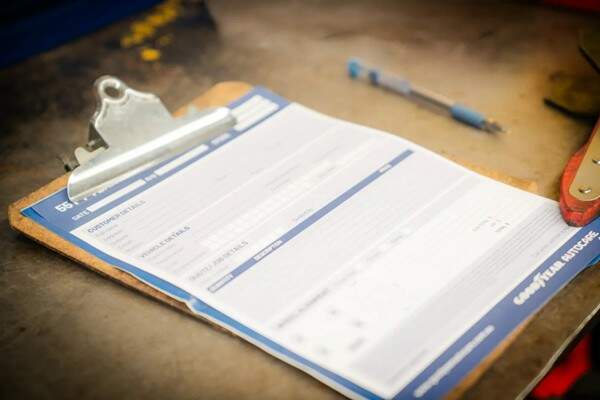
A pink slip, officially an eSafety check in NSW, is a quick but vital inspection that confirms a light vehicle meets the minimum safety standards needed to renew registration. Getting your pink slip on time lowers the risk of breakdowns and accidents, spots faults before they get worse, and keeps you compliant with Transport for NSW. For drivers in Blacktown, this is a practical must. This guide explains what an eSafety check covers, how it differs from a blue slip, and how prompt inspections save you time and money. You’ll also find step-by-step tips to prepare your car, the legal risks of delaying an inspection, common fail points and easy fixes, and what happens after the check. Finally, we outline how a local workshop fits pink slips into regular servicing and how to book a convenient eSafety check nearby. Read on for clear, actionable checks inspectors look for and straightforward next steps to keep your car roadworthy.
Need a pink slip in Blacktown?
We're an authorised NSW inspection station at 116 Bungarribee Rd. A pink slip costs $52, the fee set by the NSW Government, and most cars are done in 20 to 30 minutes while you wait.
What Is a Pink Slip and Why Is It Essential for NSW Vehicle Registration?
A pink slip (eSafety check) is carried out by a certified inspector to confirm a light vehicle meets basic roadworthy standards before you renew registration. The process is simple: inspectors assess safety-critical systems and lodge the result electronically, so Transport for NSW can accept the certificate. The main benefit is legal compliance and fewer avoidable breakdowns and collisions because faults are found early. Knowing the different inspection types and how long certificates last helps you avoid last-minute stress. The next section explains which parts are checked and why they matter for your safety.
Assessing Vehicle Roadworthiness: Causes of Accidents and Compliance Standards
Road traffic accidents are rising and remain a major cause of injury and death. Vehicle factors are involved in about 13% of crashes, and studies show roughly 33% of vehicles don’t meet roadworthiness standards. Common defects affect brakes, indicators and lighting, tyres and wheels, steering systems and bodywork. Ensuring vehicles are roadworthy is essential for safety and meeting legal requirements, especially for commercial passenger vehicles, which account for a higher share of serious injuries. Regular inspections are therefore a key part of improving road safety worldwide.
Assessment of Road Worthiness of Long Distance Commercial Vehicles in Benin City, Edo State, Nigeria, OK Chinedu, 2018
What Does an eSafety Check Include in Blacktown?
An eSafety check focuses on the vehicle systems that most affect control and crash risk. Inspectors typically check brakes, tyres and tread depth, lights and indicators, steering and suspension, seatbelts and body condition, plus obvious fluid leaks and horn operation. Each item has simple pass/fail criteria: brakes must provide adequate stopping power with even pad wear, tyres need legal tread, and no structural damage, and lights must work and be aligned. These checks lower the chance of on-road failures and help you prioritise repairs before you arrive at the workshop.
How Does a Pink Slip Differ from a Blue Slip?
A pink slip (eSafety check) is the routine roadworthiness inspection used for regular registration renewal. A blue slip is a more detailed assessment required after structural repairs, major modifications, or when registering some vehicles from interstate. The difference is scope: pink slips focus on safety-critical systems; blue slips add checks of vehicle identity, construction compliance and deeper structural inspections. Inspectors authorised to issue blue slips will do VIN checks and extra verification steps. Knowing which certificate you need stops delays and ensures you follow the right path for your situation.
| Inspection Type | Required For | Validity / Notes |
| eSafety Check (Pink Slip) | Annual registration renewal for light vehicles when required | Valid for 42 days from the inspection; used to lodge registration renewal |
| Blue Slip | Re-registration after major repairs, modifications, or interstate transfers | More comprehensive; confirms vehicle identity and structural integrity |
| Re-inspection | Vehicles that fail the initial check after repairs | Typically offered within a short repair window, allows correction of failed items |
This table makes it clear when to book each inspection and avoids common misunderstandings before you visit the workshop.
How Do Timely Pink Slip Inspections Enhance Vehicle Safety and Roadworthiness?
Timely pink slip inspections boost safety by catching faults before they cause incidents. Inspectors identify wear or failures in brakes, tyres, steering, lights and seatbelts issues that, if ignored, raise the chance of crashes or breakdowns. Regular checks also protect your vehicle’s value: documented maintenance helps when you sell and prevents small problems from becoming expensive repairs. In many cases, the fixes found during a pink slip are far cheaper than emergency repairs after a breakdown. The table below maps the practical benefits you get from timely inspections.
| Benefit Area | Attribute | Value |
| Safety | Accident risk reduction | Early detection lowers the likelihood of mechanical failure on the road |
| Cost savings | Repair cost avoidance | Small repairs prevent larger, costlier failures later |
| Reliability | Reduced breakdowns | Proactive checks decrease unplanned downtime |
| Longevity | Component lifespan | Timely maintenance extends the service life of tyres, brakes, and suspension |
In short, timely inspections act as a maintenance gatekeeper: they spot problems early and connect you to targeted repairs. Next, we list the components that are routinely checked and the typical failure signs so you know what inspectors will look for.
Which Vehicle Components Are Checked During a Pink Slip Inspection?
Inspectors focus on components that affect vehicle control and occupant safety, using clear pass/fail criteria and recognising common wear patterns. Brakes are tested for stopping power, uneven wear and leaks; tyres are checked for tread depth, bulges and correct pressure; lights and indicators are tested for operation and alignment; steering and suspension are checked for play, leaks and damaged parts; seatbelts are inspected for latching, fraying and secure anchorage; body condition is checked for corrosion or structural issues and visible fluid leaks are noted. A vehicle fails if any critical fault could reasonably cause a sudden loss of control. Knowing these checks helps you prioritise pre-inspection repairs and improve your pass rate.
How Do Regular Inspections Prevent Costly Repairs and Breakdowns?
Regular inspections turn unknown risks into planned maintenance, breaking the chain from small wear to major failure. For example, replacing worn brake pads early saves you from rotor damage and a much larger bill. Inspections also pick up slow leaks or suspension wear that, once fixed promptly, prevent extra tyre or steering damage. Planning repairs around inspection results lets you schedule work during routine servicing instead of emergency repairs, which is kinder to your budget and safety. Overall, inspections are a cost-effective way to protect both safety and ownership costs.
Vehicle Safety Inspections: Failure Rates and Data-Driven Policies in Pennsylvania
Research shows a light-duty vehicle inspection failure rate of 11.3%, with vehicles that fail averaging 12.5 years old. The inspection programme aims to reduce unsafe vehicles on the road and has been effective at identifying and removing vehicles that pose risks to other road users.
Failure rates and data-driven policies for vehicle safety inspections in Pennsylvania, HS Matthews, 2015
What Are the Legal Requirements and Consequences of Delayed Pink Slip Inspections in NSW?
NSW rules require certain vehicles to hold a valid eSafety check before registration renewal or transfer. Staying inside the legal window avoids fines and registration refusal. The process is administrative: an approved inspector issues an eSafety check, and the result is recorded electronically for Transport for NSW so registration can proceed. If an inspection is delayed and registration lapses, you risk fines, inability to renew online and the danger of driving an unroadworthy vehicle. Knowing who needs a check and the consequences of delay helps you plan inspections and use re-inspection options if repairs are needed. The sections below explain which vehicles typically require checks and what enforcement can look like.
Who Needs a Pink Slip and When Is It Required in Blacktown?
Generally, light vehicles that need annual renewal require an eSafety check when their registration notice specifies a roadworthy inspection, often older vehicles or when registrations transfer. Private owners renewing registration, people transferring registration from interstate, or sellers completing a transfer may need an inspection depending on the vehicle’s status. Service NSW and Transport for NSW set the exact triggers, so check your renewal notice for instructions. Booking ahead and allowing time for repairs avoids last-minute problems and non-compliance.
What Are the Penalties for Driving Without a Valid Pink Slip?
Trying to renew registration or driving without a valid eSafety check can lead to refusal to renew, fines and legal exposure if an unroadworthy vehicle is involved in an incident. Penalties usually include fines and the requirement to complete the inspection before registration is granted; insurers may also dispute claims if a vehicle was knowingly driven unroadworthy. Practical steps to avoid penalties are simple: book early, use a re-inspection window if you need repairs, and get a prompt inspection from an authorised workshop. These steps reduce legal risk and keep you safer on the road.
How Does Goodyear Autocare Blacktown Provide Expert Pink Slip and eSafety Check Services?
At Goodyear Autocare Blacktown, we offer local eSafety checks performed by certified mechanics using workshop tools and experience to deliver accurate inspections. We treat pink slips as part of preventative maintenance: inspectors identify faults and explain repair options clearly so you can make informed decisions. Benefits include same-day servicing for many checks, transparent pricing, and access to the wider Goodyear network for tyre replacement and alignment. For Blacktown drivers, our local presence and booking options make compliance and ongoing maintenance straightforward.
What Certified Mechanic Expertise and Equipment Ensure Accurate Inspections?
Our certified mechanics use calibrated equipment and standard inspection procedures to assess brake performance, suspension condition, electrical systems and tyre health. Common tools include brake testers, tyre gauges and wheel alignment equipment, plus diagnostics for electronic fault codes. Experienced technicians ensure measurements and wear patterns are interpreted consistently so pass/fail outcomes match safety standards rather than subjective judgment. This equipment-backed approach reduces unnecessary re-inspections and helps you complete registration smoothly.
How Does Goodyear Autocare Blacktown Offer Convenient Booking and Transparent Pricing?
You can book an eSafety check with us online or by phone; we’ll explain what the inspection covers and our re-inspection policy if repairs are needed. We aim for clear, upfront estimates for any repair work and outline re-test rules before work begins. We also offer flexible payment options, including Afterpay, where available. On arrival, staff will explain the process and expected timing so you can plan your day. These practical steps help minimise surprises when an inspection identifies needed repairs.
What Are Common Reasons Vehicles Fail Pink Slip Inspections and How Can You Avoid Them?
Vehicles commonly fail for issues that affect control and visibility: worn tyres, reduced brake performance, faulty lights, steering or suspension play, and seatbelt faults. Most failures come from gradual wear, not sudden accidents, so a short pre-inspection check can prevent many failures. Simple DIY checks measure tyre tread, test lights, make sure seatbelts latch, and look for fluid leaks will cut the chance of failing over easily fixed items. The table below links common failure points to the right services.
| Component (Failure Point) | Typical Fault | Recommended Action / Service |
| Tyres | Insufficient tread, sidewall damage | Tyre inspection and replacement, free tyre safety checks |
| Brakes | Worn pads, uneven braking | Brake service, pad/rotor replacement, brake fluid check |
| Lights | Bulb failure, misalignment | Bulb replacement, headlight adjustment |
| Steering/Suspension | Excessive play, leaking shocks | Wheel alignment, suspension service |
| Seatbelts | Frayed webbing, latch malfunction | Seatbelt replacement or repair |
Use this table to focus on the most likely pre-inspection tasks and link faults to simple workshop solutions. Next is a short checklist you can use before booking.
Which Issues Most Frequently Cause Pink Slip Failures in Blacktown?
Local driving lots of stop-start traffic and rough suburban roads speeds up wear on brakes and tyres, making them common fail points. Tyres often fail for low tread or kerb damage, while brakes show uneven wear after heavy urban use. Lights fail from blown bulbs or corroded connectors, and steering/suspension problems can come from pothole damage or worn parts. Tackling these issues early with targeted maintenance reduces failure risk and improves everyday safety. A quick check of these systems before your inspection often costs less than repairs after a failed inspection.
How Can Vehicle Owners Prepare Their Cars for a Successful eSafety Check?
In the days before your inspection, do a few simple checks: confirm tyre pressures and tread depth, test headlights, indicators and brake lights, check seatbelts for damage and ensure they latch, and look under the car for visible fluid leaks. Top up essential fluids and book a pre-inspection service if you suspect brake or suspension problems. Bringing service records or recent repair receipts helps inspectors with borderline items and can speed up the process. Being prepared reduces stress on inspection day and increases the chance of passing the first time.
What Happens After Your Pink Slip Inspection: Passing, Failing, and Re-Inspection Processes Explained
After an inspection there are three main outcomes: a pass so you can lodge registration, a fail that requires repairs and a re-inspection, or a conditional result needing targeted follow-up. A passing eSafety check is recorded electronically and can be used to renew registration within its validity period. If the vehicle fails, the inspector will list failed items, and you normally have a repair window to fix them and return for a re-check. Knowing these paths helps you plan repairs, timelines and avoid unnecessary disruption to registration or vehicle use.
How Long Is a Pink Slip Valid, and What Are the Next Steps After Approval?
An approved eSafety check is valid for 42 days from the inspection date, so book it within six weeks of your renewal date, not earlier. Once approved, the certificate is recorded electronically so you can proceed with renewal; keeping invoices and repair records is useful for your files and future resale. If you’re selling or transferring the vehicle, present the valid eSafety check to make the process smoother. Knowing the validity period helps you avoid extra re-inspections and meet registration deadlines.
What Are Your Options If Your Vehicle Fails the Inspection?
If your vehicle fails, the usual route is to fix the listed faults and return for a re-inspection under the workshop’s re-test policy. Many workshops offer a free or discounted re-check within a set period. You can also arrange repairs with another authorised repairer or use temporary transport while repairs are done if you need immediate mobility. Prioritise safety-related repairs so the vehicle is lawful and safe for the road once retested. Booking a prompt re-inspection reduces downtime and gets you back on the road with documented compliance.
- Schedule repairs promptly to address critical failures.
- Book a re-inspection within the workshop’s allowed window to verify fixes.
- Retain records of repairs and re-tests for registration and resale purposes.
Book Your Pink Slip Today
If you’re in Blacktown and need a reliable eSafety check, Goodyear Autocare Blacktown provides certified inspections, clear communication about needed repairs, and local convenience at 116 Bungarribee Rd, Blacktown NSW 2148. To arrange a pink slip, call the workshop on (02) 9622 5511 or use our online booking options. Our team can explain expected timing, pricing and payment choices, including Afterpay where available. Book early, do the simple pre-checks above and choose a workshop that includes pink slips in preventative maintenance. It reduces rework and keeps your car safe and compliant.
- Pre-book Inspection: Call ahead to confirm availability and turnaround times.
- Bring Documentation: Service records and recent repair receipts help the inspector.
- Ask About Re-tests: Confirm the re-inspection policy to avoid unexpected charges.
| Service Area | What to Expect | Benefit |
| Inspection | Certified eSafety check by trained mechanics | Accurate pass/fail decision recorded electronically |
| Follow-up | Clear estimate and communication for repairs | Transparent pricing and repair planning |
| Convenience | Same-day servicing and flexible payment options | Minimise downtime and manage costs |
This summary helps local drivers understand what to expect and choose the right provider for safe, compliant inspections.
Book your pink slip at Goodyear Autocare Blacktown
$52, 20 to 30 minutes, while you wait. 116 Bungarribee Rd, Blacktown. Open Monday to Friday 8am to 5pm and Saturday 8am to 1pm.
Frequently Asked Questions
What Should I Do If My Vehicle Fails the Pink Slip Inspection?
If your vehicle fails, the inspector will give you a list of faults to fix. You usually have a repair window to correct these issues and return for a re-inspection. Many workshops offer a free or discounted re-check within that period. Prioritise safety-related repairs so the vehicle is roadworthy and compliant. Keep records of repairs and re-tests for registration and resale purposes.
How Can I Ensure My Vehicle Passes the Pink Slip Inspection?
To improve your chances of passing, do a few simple checks before the inspection: check tyre tread and pressure, test all lights and indicators, ensure seatbelts latch and look under the car for leaks. If you suspect a problem, book a pre-inspection service so issues can be fixed before the official check. Being proactive saves time and money and keeps your vehicle safer.
Are There Specific Vehicles That Require More Frequent Inspections?
Yes. Older vehicles, those with major modifications, vehicles transferred from another state or some commercial vehicles can have different inspection requirements. Always check your registration renewal notice for any instructions about needing an eSafety check. Knowing the requirements keeps you compliant and avoids penalties.
What Are the Common Costs Associated with Pink Slip Inspections?
The NSW Government sets the fee for a light vehicle pink slip. At Goodyear Autocare Blacktown it’s $52. If your vehicle fails, you pay for the repairs, and you have 14 days to return for a free re-inspection of the failed items. Many workshops provide transparent pricing and estimates for required work up front. Ask when you book to avoid surprises.
How Long Does a Pink Slip Inspection Take?
At our workshop, most pink slips take 20 to 30 minutes. Timing depends on the workshop’s schedule and whether any immediate repairs are needed. Booking an appointment and bringing the right documents can reduce waiting time and speed up the process.
What Should I Bring to My Pink Slip Inspection?
Bring your vehicle registration details and any service records or recent repair receipts. This information helps the inspector assess borderline items and can make the inspection quicker. Also, make sure the vehicle is accessible and reasonably clean to allow a thorough check.
Can I Drive My Vehicle If It Has Failed the Pink Slip Inspection?
It’s not advisable to drive a vehicle that has failed a pink slip inspection; it may be unroadworthy. If it fails, arrange repairs and a re-inspection before driving regularly. Continuing to drive an unroadworthy vehicle risks legal penalties and safety hazards. Prioritise repairs to get back on the road safely.
Conclusion
Getting your pink slip on time is a simple step that keeps your vehicle safe and legally compliant, and it helps catch faults before they become expensive problems. By prioritising eSafety checks, drivers in Blacktown gain peace of mind knowing their vehicles meet safety standards and reduce the risk of incidents. Book your eSafety check today and let Goodyear Autocare Blacktown make the inspection process straightforward and reliable.
.jpg) How Often Should You Check Your Brakes? More Often Than You Think
How Often Should You Check Your Brakes? More Often Than You Think
 5 Tyre Problems You Can Spot Before They Leave You Stranded
 How Much Does a Pothole Really Cost Your Car? Tyres, Alignment and Suspension