

How to Choose the Best Tyres for Australian Roads in 2025
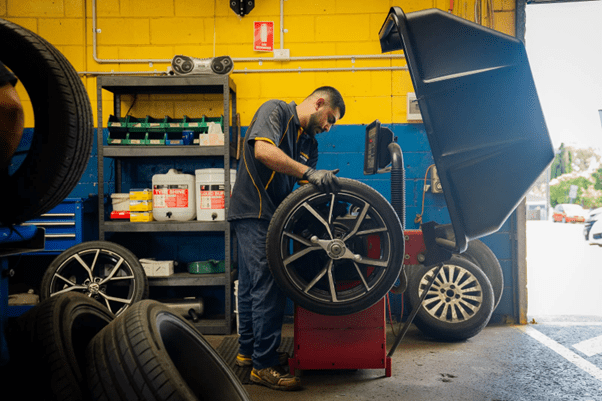
Choosing the right tyres is one of the most important decisions you can make for your vehicle. Tyres directly affect safety, fuel efficiency, braking distance, and handling, especially on Australian roads, where conditions range from scorching summer heat to wet, uneven suburban streets. For Blacktown drivers, tyre choice is not just about brand preference; it’s about matching tyre type, tread design, speed ratings, and durability to real-world local driving conditions.
This comprehensive 2025 tyre guide explains what to look for, how tyres are rated, the differences between premium and budget options, and practical selection tips based on vehicle type and driving habits. Many common tyre issues uneven wear, poor fuel economy, vibration, or long stopping distances, stem from using the wrong tyre for the environment. Understanding the criteria below helps you avoid those issues and make a confident, safety-focused decision.
Read on for a breakdown of tyre types, load and speed ratings, tread designs for Australian climates, and expert advice from local technicians. A comparison table shows how popular tyre categories perform, and we outline how Goodyear Autocare Blacktown can help you select, fit, and maintain tyres tailored to your driving needs.
Why Choosing the Right Tyres Matters
Tyres are your vehicle’s only point of contact with the road, influencing safety and performance more than almost any other component. The right set delivers shorter braking distances, better cornering stability, improved fuel efficiency, and smoother rides. The wrong tyres, or worn-out ones, can compromise control, increase accident risk, and reduce the lifespan of suspension and brake components.
In Australia, road surfaces range from smooth highways to coarse-chip rural routes. Temperature extremes also affect rubber compounds, making it essential to choose tyres designed to withstand heat, UV exposure, heavy rain, and urban stop-start driving.
For Blacktown drivers who frequently travel between city roads, motorways, and occasional regional routes, a well-matched tyre ensures durability and consistent performance all year.
Understanding Tyre Types: Which Is Best for Australian Roads?
Tyres are engineered for specific environments and driving styles. Knowing the characteristics of each type helps you narrow down options.
1. All-Season Tyres
All-season tyres are popular among suburban drivers because they work reliably in both dry and wet conditions. They offer balanced handling, moderate tread life, and good year-round performance.
Best for: Everyday city and highway driving in Blacktown
Downside: Not specialised for extreme performance or off-road use
2. Performance Tyres
Performance tyres are designed for sharper handling, improved grip, and better braking responsiveness. They have softer rubber compounds that enhance traction.
Best for: Sports cars, high-performance sedans, confident cornering
Downside: Faster tread wear; typically higher cost
3. Touring Tyres
Touring tyres emphasise comfort, low noise, and long tread life. They’re ideal for families and commuters who want smooth rides and consistent quality.
Best for: Long-distance drivers, daily commuters
Downside: Less aggressive grip compared to performance tyres
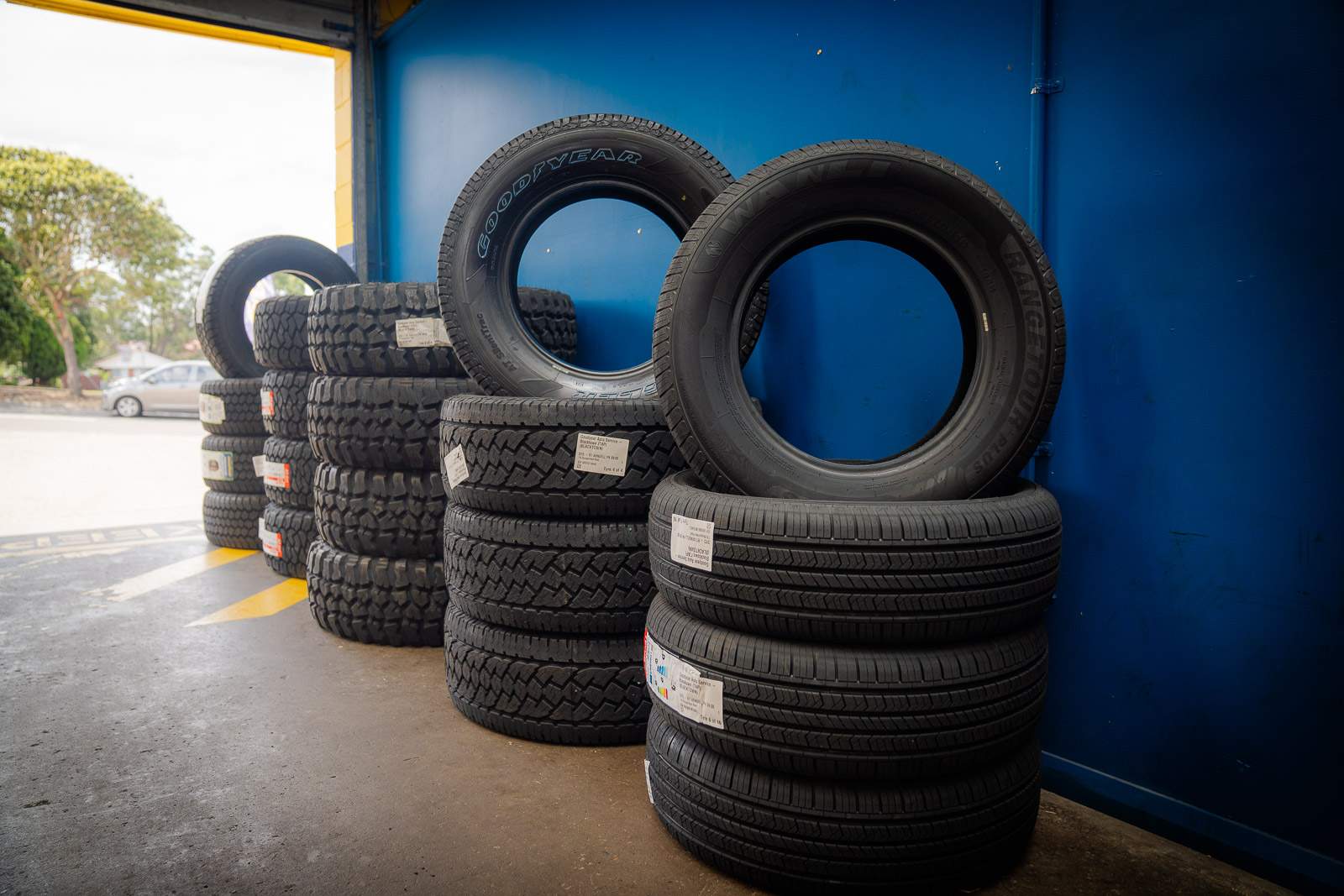
4. SUV / 4x4 Tyres
SUV tyres come in several categories:
- Highway Terrain (HT): Designed for sealed roads
- All-Terrain (AT): Balanced for road and off-road
- Mud Terrain (MT): Designed for rugged off-road tracks
Best for: SUV, ute, and 4WD owners
Downside: Some patterns may increase noise or fuel consumption
5. Fuel-Efficient Tyres (Low Rolling Resistance)
These tyres reduce friction with the road, improving fuel economy by up to 5–10%.
Best for: Eco-conscious drivers and high-kilometre commuters
Downside: May reduce performance in aggressive driving scenarios
What Tyre Ratings Mean: Load Index, Speed Rating & Treadwear
Tyre sidewall numbers are more than technical jargon; they tell you whether a tyre is safe and compatible with your vehicle.
Load Index
Indicates how much weight each tyre can safely support.
Higher load index = more weight capacity.
Speed Rating
Represents the tyre’s maximum safe speed under proper conditions.
Common ratings include:
- H (210 km/h)
- V (240 km/h)
- W (270 km/h)
Even if you never drive at these speeds, a higher rating typically means better heat resistance and performance.
Treadwear Rating
Shows how long the tyre is expected to last relative to other tyres.
A treadwear rating of 300 lasts twice as long as a 150.
Traction & Temperature Grades
- Traction (AA, A, B, C): Wet braking performance
- Temperature (A, B, C): Heat resistance is important in Australia’s climate
Choosing Tyres for Australian Weather and Road Conditions
Heat Resistance
High temperatures soften tyre rubber, accelerating wear. Choose tyres with:
- Higher temperature grades
- Stronger compounds designed for hot climates
Wet Weather Grip
Sudden storms are common in NSW. Look for:
- Deep water evacuation channels
- High silica compounds
- Strong wet-grip ratings
Road Noise Reduction
Coarse Australian roads can amplify tyre noise. Touring tyres often include:
- Noise-reducing tread patterns
- Reinforced blocks for smoother highway travel
Fuel Efficiency
Low-rolling-resistance tyres save fuel on long commutes and reduce emissions.
Comparison Table: Tyre Types and Their Performance
| Tyre Type | Best Use Case | Key Strength | Common Trade-Off |
| All-Season | Daily driving | Balanced performance | Not specialised |
| Performance | Sporty vehicles | Superior grip & handling | Shorter tread life |
| Touring | Long-distance comfort | Quiet, smooth ride | Less aggressive grip |
| SUV/4x4 | Mixed or off-road | Durability & traction | Increased noise or fuel use |
| Low Rolling Resistance | Fuel savings | Improved efficiency | Slightly reduced grip |
Signs You Need New Tyres Before Choosing a New Set
Tyres should be replaced if you notice any of the following:
- Tread depth below 1.6 mm (legal minimum)
- Cracks or bulges in the sidewall
- Uneven tread wear (often from poor alignment)
- Increased stopping distance
- Vibrations at certain speeds
- Reduced wet-weather grip
Replacing tyres early prevents blowouts and improves control in emergencies.
How Goodyear Autocare Blacktown Helps You Choose the Right Tyres
Goodyear Autocare Blacktown offers professional guidance and tyre fitting services tailored to Australian roads. As a trusted local workshop, our technicians analyse your driving style, vehicle type, and budget to identify tyres that deliver optimal safety and value.
Our Key Tyre Services Include:
| Service | What It Fixes | Why It Matters |
| Tyre Fitting & Balancing | Vibration, uneven wear | Ensures even tread life and smooth driving |
| Wheel Alignment | Steering pull, rapid wear | Reduces fuel use and extends tyre longevity |
| Tyre Safety Checks | Low pressure, structural damage | Helps prevent blowouts and improves braking |
| Puncture Repairs | Slow leaks, minor damage | Extends tyre life without costly replacement |
| Rotation Services | Uneven wear | Ensures all tyres wear evenly |
We stock leading tyre brands and offer transparent pricing, same-day service, and free tyre safety checks to help Blacktown drivers stay safe and road-ready.
How to Choose the Right Tyre for Your Vehicle in 5 Steps
- Check your owner’s manual or door placard for the correct tyre size.
- Consider your driving conditions: city, highway, or mixed.
- Select the right tyre type (all-season, touring, performance, SUV).
- Compare ratings: load index, speed rating, fuel efficiency, wet grip.
- Get professional advice from a qualified technician before purchasing.
Frequently Asked Questions
1. How long do tyres last in Australia?
Most tyres last between 40,000–80,000 km, depending on driving style, road conditions, and maintenance. Heat and uneven surfaces can shorten the lifespan.
2. Are expensive tyres worth it?
Premium tyres offer better stopping power, durability, and handling, particularly in wet conditions. They often cost more upfront but last longer and perform better.
3. How often should I rotate my tyres?
Every 10,000 km or at each service interval. Rotation prevents uneven wear and extends tyre life.
4. Do I need specific tyres for SUVs or 4WDs?
Yes. SUVs require tyres with different load ratings and structural reinforcement. Using incorrect tyres can reduce safety.
5. How do I know if a tyre is fuel-efficient?
Look for low rolling resistance ratings or eco-marked tyre models. These tyres reduce drag and help save fuel.
Conclusion
Choosing the best tyres for Australian roads in 2025 comes down to understanding tyre types, ratings, weather performance, and your own driving habits. The right tyre enhances safety, improves fuel efficiency, and ensures better handling in both dry and wet conditions.
For expert advice, tyre fitting, wheel alignment, or a free safety check, visit Goodyear Autocare Blacktown. Our technicians provide honest recommendations and quality service to help you stay safe on the road.
.jpg) How Often Should You Check Your Brakes? More Often Than You Think
How Often Should You Check Your Brakes? More Often Than You Think
 5 Tyre Problems You Can Spot Before They Leave You Stranded
 How Much Does a Pothole Really Cost Your Car? Tyres, Alignment and Suspension