

How Regular Maintenance Extends Your Car’s Lifespan: Essential Car Maintenance Schedule and Tire Care Tips
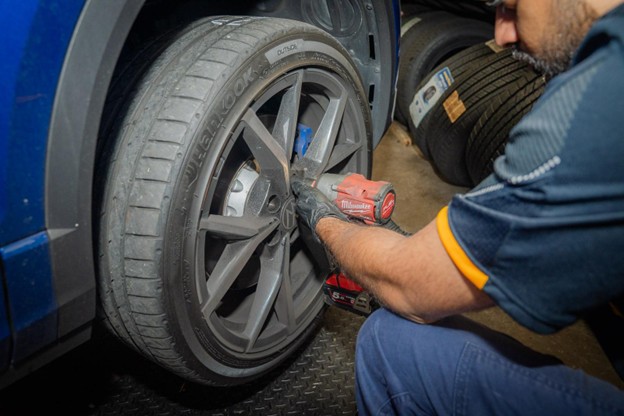
Regular maintenance extends a vehicle’s life, keeps it efficient and safe, and prevents costly repairs. By adhering to a consistent maintenance routine, you not only enhance your car’s performance but also ensure peace of mind on every journey. This article summarises a practical maintenance schedule, key tyre care tips, and the benefits of professional services available in Blacktown, helping you make informed decisions about your vehicle’s upkeep.
Essential Car Maintenance Schedule
A clear schedule stops minor faults from becoming major failures, saving you time and money in the long run. Key items include:
- Oil Changes: Change oil every 5,000–7,500 miles, depending on vehicle and oil type. Regular oil changes keep the engine lubricated, reduce wear, and improve fuel efficiency.
- Tyre Rotation: Rotate every 6,000–8,000 miles to promote even wear. This practice helps maintain balanced handling and extends tyre lifespan.
- Brake Inspections: Inspect brakes annually or when you notice issues such as squeaking or reduced responsiveness. Early detection of brake wear ensures safety and prevents costly repairs.
Adhering to these tasks improves performance and extends service life. In addition, professional tyre rotations help maintain even wear and longer tyre life, while expert inspections can identify other potential issues before they escalate.
Effective Tire Care Tips
Proper tyre care boosts safety, fuel economy and handling. Follow these basic tips to keep your tyres in optimal condition:
- Regular Pressure Checks: Keep tyres at the recommended pressure for efficiency and handling. Underinflated tyres increase fuel consumption and wear unevenly, while overinflated tyres can reduce traction.
- Routine Inspections: Inspect tyres for uneven tread, cuts or bulges regularly. Early detection of damage can prevent blowouts and improve safety.
- Driving Habits Impact: Avoid aggressive driving to reduce premature wear. Smooth acceleration, braking, and cornering help preserve tyre integrity and vehicle stability.
How Does Regular Tire Maintenance Impact Vehicle Longevity?
Consistent tyre care, proper inflation and rotations, prevents uneven wear, improves fuel economy, and reduces blowout risk, all of which extend vehicle life. Well-maintained tyres also contribute to better handling and braking performance, enhancing overall driving safety.
Which Routine Checks Should Blacktown Drivers Include in Their Vehicle Upkeep Checklist?
Drivers should prioritise tyre pressure, brakes, and fluid levels to maintain vehicle reliability and safety. Regular checks help identify issues early and avoid unexpected breakdowns.
- Tyre Pressure Checks: Check and maintain the recommended tyre pressure using a reliable gauge, especially before long trips or seasonal changes.
- Brake Inspections: Have brakes inspected at least once a year or if you notice any unusual noises or reduced stopping power.
- Fluid Level Checks: Monitor engine oil, coolant, brake fluid, transmission fluid, and windshield washer fluid regularly to ensure all systems function properly.
These quick checks help safeguard reliability. For expert support, Blacktown drivers can rely on professional tyre fitting services to confirm optimal tyre condition and ensure safe installation.
How Do Tire Services Like Fitting, Alignment, and Balancing Extend Your Car’s Lifespan?
Fitting, alignment and balancing reduce wear and vibration, improve handling, and extend tyre life when performed correctly. Properly fitted tyres ensure even contact with the road, while alignment and balancing prevent uneven wear patterns and reduce strain on suspension components.
Why Is Professional Tyre Fitting Crucial for Preventing Premature Wear?
Professional fitting ensures correct mounting, torque and balancing, preventing installation issues that can cause premature wear and future repairs. Experts use specialised equipment to guarantee tyres are securely and accurately installed, which enhances safety and performance.
How Do Wheel Alignment and Balancing Reduce Uneven Tire Wear?
Regular alignment restores correct wheel angles; balancing evens weight distribution to reduce vibration and improve ride comfort. Schedule regular wheel alignments and wheel balancing to protect tyre life and handling. Proper alignment also helps prevent steering issues and improves fuel efficiency.
What Are the Signs of Tire Wear and When Should You Schedule Puncture Repairs?
Recognising wear early preserves safety and performance. Watch for the indicators below and act promptly to avoid further damage or accidents.
- Uneven Tread Depth: Check for tread depth variation, which can indicate alignment or suspension problems.
- Visible Damage Signs: Look for cracks, bulges or punctures that compromise tyre integrity.
- Traction Reduction: Loss of grip, especially in wet conditions, indicates replacement may be needed to maintain safety.
Arrange puncture repairs promptly to avoid further damage and ensure your tyres remain roadworthy.
How Can Early Detection of Tire Damage Prevent Costly Vehicle Repairs?
Early inspections catch punctures or structural faults before they cause blowouts or secondary damage, saving money and reducing risk. Timely repairs also prevent damage to wheels, suspension, and alignment, which can be expensive to fix.
What Are the Recommended Intervals for Tire Rotation to Maximise Tire Life?
Rotate every 5,000–8,000 miles to promote even wear and extend service life; consult your owner’s manual for model-specific guidance. Regular rotation balances wear patterns across all tyres, improving handling and safety.
How Can Following a Vehicle Upkeep Checklist Lead to Cost Savings and Improved Safety?
A maintenance checklist reduces repair costs, prevents breakdowns and improves reliability. Staying proactive with vehicle care helps avoid emergency repairs and extends the lifespan of key components, ultimately saving money and enhancing safety on the road.
What Preventive Maintenance Practices Offer the Best Return on Investment?
Best ROI practices include routine oil changes, scheduled brake inspections and battery testing to avoid major failures. These simple yet effective steps help maintain vehicle health and prevent costly repairs down the line.
- Regular Oil Changes: Follow recommended intervals to keep the engine running smoothly and efficiently.
- Brake Inspections: Check brakes regularly to ensure safe stopping power and avoid damage to other components.
- Battery Testing: Test battery condition to avoid breakdowns and ensure reliable starts, especially in extreme weather.
They improve reliability and lower ownership costs over time, making them essential parts of any maintenance routine.
How Does Regular Maintenance Enhance Driving Safety and Peace of Mind?
Regular maintenance keeps critical systems working, lowers accident risk, and increases driver confidence on the road. Knowing your vehicle is in good condition allows you to focus on driving without worry, contributing to safer journeys for you and others.
Frequently Asked Questions
What are the benefits of a professional car maintenance service?
Professionals provide expert inspections, quality parts and certified repairs that support warranties and preserve resale value. Their experience ensures that maintenance is thorough and any potential issues are addressed promptly.
How often should I check my car's fluid levels?
Check fluids monthly and before long trips: oil, coolant, brake, transmission, and washer fluid. Regular monitoring helps prevent overheating, brake failure, and other mechanical problems.
What should I do if I notice uneven tyre wear?
If uneven wear appears, verify tyre pressure, inspect alignment and suspension, and schedule alignment/rotation and balancing as needed. Addressing these issues early prevents further tyre damage and maintains vehicle safety.
Are there specific maintenance tips for older vehicles?
Older vehicles need more frequent checks on oil, belts, hoses, brakes, tyres and suspension; consider high-mileage oils where appropriate. Regular inspections help identify wear and tear that can affect performance and safety.
How can I improve my car's fuel efficiency through maintenance?
Keep tyres inflated, change oil on schedule, replace clogged air filters and worn spark plugs, and address mechanical issues promptly. Proper maintenance reduces engine strain and improves overall fuel economy.
What role does driving behaviour play in vehicle maintenance?
Smooth driving and steady speeds reduce wear; aggressive driving increases stress on tyres, brakes and the engine. Adopting careful driving habits extends vehicle life and reduces maintenance costs.
Conclusion
Regular maintenance and proper tyre care cut repair costs, boost safety, and extend vehicle life. Schedule routine professional service to protect reliability and resale value. By following a comprehensive upkeep plan and seeking expert assistance when needed, you ensure your vehicle remains dependable and safe for years to come.
Recent news articles
 Mechanic Certifications Blacktown: What Certifications and Training Do Our Blacktown Mechanics Hold? Find Out Here!
 What Causes Frequent Mechanical Problems in Cars? Understanding Common Issues and Prevention
 What Are the Signs of Mechanical Malfunctions? A Clear Guide to Car Mechanical Problems, Symptoms and Diagnosis