
5 Common Indicators That Your Car Needs Immediate Inspection at Blacktown Service Centre
Keeping your vehicle safe and reliable means acting quickly when warning signs appear. This article summarises five indicators that should prompt an immediate inspection at a qualified centre such as Goodyear Blacktown and explains what to check and do.
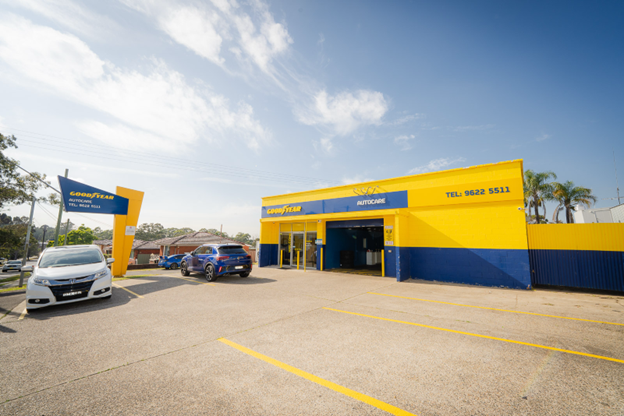
The five common indicators that signal a vehicle requires immediate inspection
Watch for clear, safety-related symptoms. Early checks reduce repair costs and the chance of breakdown.
- Unusual Noises: Grinding, squeaking or knocking often point to brakes, suspension or engine faults and should be checked.
- Vibrations or Pulsations: Vibrations during braking or at speed can indicate brake, wheel balance or wheel alignment issues.
- Warning Lights: Any dashboard light, especially check engine, oil pressure or brake warnings, needs prompt attention.
- Tyre Wear: Uneven or excessive tyre wear, harms handling and safety; inspect tread and sidewalls.
- Fluid Leaks: Puddles or drips under the car can indicate oil, coolant, transmission or brake fluid leaks.
Arrange a prompt inspection to diagnose and repair these faults before they worsen.
What Are the Key Signs of Tyre Wear and Damage?
Regular tyre checks reduce blowout risk and support fuel economy. Key signs are visible damage, handling changes and low tread.
- Visual Indicators: Check for cracks, bulges and uneven tread.
- Performance Issues: Pulling to one side or reduced traction signals tyre or alignment problems.
- Recommended Actions: Rotate tyres, measure tread depth and replace if below 1.6mm.
For tyre fitting, puncture repair and rotations, contact Goodyear Blacktown's tyre services to keep tyres safe and efficient. Tyres are central to vehicle safety; regular checks avoid sudden failures.
Importance of Tires for Vehicle Safety & Performance
This paper provides a comprehensive overview of pneumatic tyre technology, focusing on the evolution, construction, and performance characteristics of radial passenger car tyres. It highlights the critical role of tyres in vehicle safety and performance, detailing their interaction with road surfaces, loading dynamics, and the importance of tread design for various weather conditions.
Tyre standards and specifications, 2006
How to Identify Uneven Tyre Wear Patterns?
Inspect tyres visually and with a tread gauge; look for bald spots, inner- or outer-edge wear and irregular patterns that indicate alignment or suspension issues.
- Visual Inspection Techniques: Scan each tyre for uneven wear or damage.
- Using a Tread Depth Gauge: Measure depth at multiple points to confirm replacement needs.
- Professional Inspection Recommendations: If irregular wear appears, have a technician at Goodyear Blacktown inspect the tyres.
When Should You Replace Worn or Damaged Tyres?
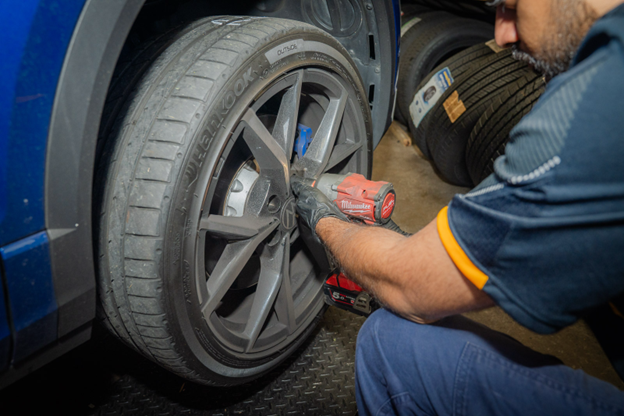
Replace tyres based on tread depth, visible damage or age to preserve handling and prevent accidents.
- Tread Depth Indicators: Replace when the tread is under 1.6mm.
- Visible Damage Signs: Cracks, bulges or irreparable punctures require replacement.
- Age of Tyres Considerations: Consider replacing tyres around six years, even if the tread seems adequate.
Scheduled inspections help time replacements before safety is compromised.
Which Brake System Warning Signs Require Urgent Attention?
Brakes are critical; listen and feel for changes. Address grinding, a soft pedal or fluid leaks immediately.
- Grinding Noises: Often mean worn pads or damaged components.
- Spongy Brake Pedal Feel: May indicate air in lines or fluid loss.
- Visible Brake Fluid Leaks: Any pooling under the vehicle needs urgent inspection.
Prompt brake checks preserve stopping performance and safety. Early detection of fluid loss and contamination reduces failure risk and supports safer operation.
Detecting Brake Fluid Loss and Quality Issues
The Continuous Fluid Level and Quality Indicator (CFLQI) technology focuses on increasing sampling frequency of brake fluid reservoir volume and detecting specific brake fluid contaminants. CFLQI aims to broaden diagnostic range and improve detection sensitivity for fluid loss and degradation, providing earlier warnings of fluid level and fluid health issues to support safer vehicle operation.
Advanced continuous sensing technology for hydraulic brake fluid, 2022
What Are Common Brake Issues Indicating Inspection Need?
Common warning signs include squealing, vibration while braking and illuminated brake indicators - all merit a professional check.
- Squealing or Grinding Noises: Usually indicate worn pads.
- Vibrations During Braking: Can mean warped rotors.
- Brake Warning Light Indicators: Have brakes inspected if the dashboard light comes on.
Regular brake inspections help maintain consistent performance and reduce failure risk.
How Do Brake Warning Lights Signal Safety Concerns?
Different light behaviours point to distinct problems. Treat solid or flashing brake warnings seriously and seek inspection.
- Meaning of Different Warning Lights: A steady light usually signals a system fault; flashing can indicate fluid or sensor issues.
- Recommended Actions for Warning Lights: Stop driving if a critical brake or oil-pressure light appears and get professional help.
- Importance of Timely Inspections: Early checks prevent escalation and maintain safety.
How Do Engine and Dashboard Warning Lights Indicate Vehicle Problems?
Engine and dashboard lights monitor vital systems. Interpreting them quickly avoids costly damage.
- Common Warning Lights and Their Meanings: Check engine, battery, and oil-pressure lights each point to different faults requiring diagnostics.
- Recommended Actions for Each Warning Light: Consult the manual and seek professional diagnosis when lights appear.
- Importance of Addressing Warning Lights Promptly: Ignoring alerts increases repair costs and breakdown risk.
What Do Different Dashboard Warning Lights Mean?
Recognising basic dashboard icons helps you act: engine, battery/charging, and oil pressure warnings are priority items.
- Check Engine Light: Signals a range of issues; diagnostics will identify severity.
- Battery/Charging System Light: May indicate alternator or battery faults.
- Oil Pressure Warning Light: Low oil pressure risks engine damage; stop and inspect promptly.
A professional check provides accurate diagnostics and repair guidance.
When Should Warning Lights Prompt an Immediate Service Centre Visit?
Treat oil pressure, brake and severe engine warnings as immediate, stop driving if necessary and seek professional help.
- Critical Warning Lights Requiring Immediate Attention: Oil pressure and brake warnings are urgent.
- Recommended Actions for Critical Lights: Park safely and contact a service centre right away.
- Consequences of Ignoring Warning Lights: Delays can lead to major damage and safety hazards.
Regular maintenance reduces the chance of critical alerts and unexpected breakdowns.
What Are the Signs of Wheel Alignment and Balancing Issues?
Poor alignment or balance harms handling and tyre life; check alignment after impacts and balance after tyre work.
- Symptoms of Misalignment: Pulling to one side or an off-centre steering wheel.
- Potential Causes of Alignment Issues: Potholes, curbs or worn suspension components.
- Recommended Actions for Alignment Checks: Have a technician perform alignment and corrective adjustments.
Goodyear Blacktown offers alignment checks and corrective work to keep the vehicle stable.
How Does Poor Wheel Alignment Affect Vehicle Safety?
Misalignment causes uneven tyre wear and degraded handling, increasing the risk of loss of control and higher running costs.
- Consequences of Neglecting Alignment: Faster tyre wear and compromised stability.
- Effects on Tyre Wear and Handling: Tyres wear unevenly and need earlier replacement.
- Importance of Regular Alignment Checks: Prevents premature wear and maintains safety.
When Is Wheel Balancing Necessary to Prevent Damage?
Balance wheels to avoid steering vibration and protect suspension and tyre life.
- Signs Indicating Need for Balancing: Vibrations in the steering wheel or seat at certain speeds.
- Consequences of Neglecting Balancing: Leads to uneven wear and suspension strain.
- Recommended Inspection Frequency: Check balancing after tyre changes, rotations or if vibrations appear.
Goodyear Blacktown provides expert wheel balancing servicesto help ensure a smooth ride and extend component life.
Frequently Asked Questions
Q- What should I do if my car starts making unusual noises?
A- Note when the noise occurs and avoid long drives. Book an inspection at a reputable service centre to diagnose and fix the issue.
Q- How often should I have my vehicle inspected for maintenance?
A- Follow the manufacturer's schedule; as a baseline, inspect at least annually or every 10,000–15,000 km and sooner if warning signs appear.
Q- What are the risks of ignoring dashboard warning lights?
A- Ignoring lights can lead to mechanical failure, higher repair costs and safety hazards. Diagnose and repair promptly.
Q- How can I tell if my brakes need immediate attention?
A- Squeals, grinding, a spongy pedal or visible fluid leaks mean you should get your brakes inspected immediately.
Q- What are the benefits of regular tyre maintenance?
A- Regular tyre care improves safety, extends life and supports fuel efficiency; check pressure, tread depth, and rotate tyres routinely.
Q- What should I do if I notice fluid leaks under my car?
A- Note the fluid's colour and texture, avoid driving if serious, and contact a professional service centre for inspection.
Q- How can I improve my vehicle's fuel efficiency?
A- Keep tyres correctly inflated, maintain the engine and air filters, avoid aggressive driving and follow a regular inspection routine.
Conclusion
Recognising and acting on unusual noises, warning lights, tyre or brake issues prevents escalation and protects safety. Arrange timely service at a trusted centre such as Goodyear Blacktown to keep your vehicle in good condition.
.jpg) How Often Should You Check Your Brakes? More Often Than You Think
How Often Should You Check Your Brakes? More Often Than You Think
 5 Tyre Problems You Can Spot Before They Leave You Stranded
 How Much Does a Pothole Really Cost Your Car? Tyres, Alignment and Suspension