

How Long Do Car Batteries Last in Australia? Plus Tips to Improve Lifespan
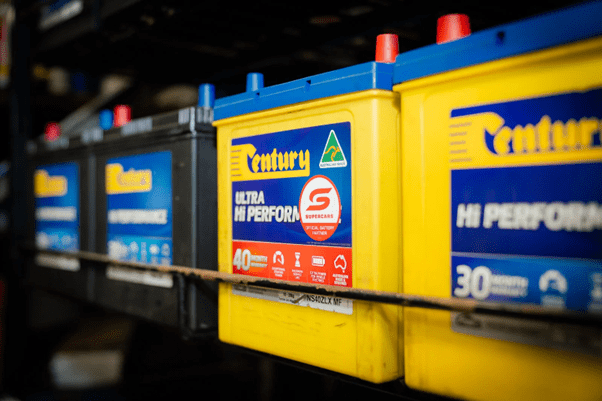
Car batteries are one of the most failure-prone components in modern vehicles - and often the most inconvenient. One day your car starts perfectly, and the next it won’t turn over at all. In Australia, battery failure is one of the leading causes of roadside assistance call-outs, largely due to heat, stop-start driving, and increasing electrical demands in modern cars.
For drivers in places like Blacktown, where vehicles face hot summers, traffic congestion, and frequent short trips, understanding battery lifespan is essential. Knowing how long a car battery typically lasts, what shortens its life, and how to recognise early warning signs can help you avoid sudden breakdowns and unexpected expenses.
This guide explains how long car batteries last in Australian conditions, the factors that affect battery longevity, the warning signs of a failing battery, and practical tips to extend battery life. We’ll also explain how professional battery testing and replacement at Goodyear Autocare Blacktown helps keep your vehicle reliable year-round.
How Long Do Car Batteries Typically Last in Australia?
In Australia, the average car battery lifespan is 3 to 5 years. However, this range varies significantly depending on climate, driving habits, vehicle type, and maintenance.
Typical Battery Lifespan by Condition:
| Driving & Climate Conditions | Expected Battery Life |
| Hot climates & city driving | 2.5–3.5 years |
| Mixed city & highway driving | 3–4 years |
| Mostly highway driving | 4–5 years |
| Well-maintained vehicles | Up to 5 years |
| Poorly maintained vehicles | As little as 2 years |
Australia’s climate - particularly extreme heat - shortens battery life more than cold weather. While cold affects starting performance, heat permanently damages battery internals, making it the number one reason batteries fail early in Australia.
Why Car Batteries Fail Faster in Australia
1. Extreme Heat (The Biggest Battery Killer)
High temperatures accelerate chemical reactions inside the battery, which leads to:
- Faster electrolyte evaporation
- Internal plate corrosion
- Reduced charge capacity
- Shortened overall lifespan
In Western Sydney, summer temperatures regularly exceed 35–40°C, and engine bay temperatures climb even higher. Over time, this heat permanently degrades battery performance.
2. Stop-Start and Short-Trip Driving
Short trips don’t allow the battery enough time to fully recharge.
Common Scenarios:
- School runs
- Short commutes
- Frequent engine starts
- Heavy traffic
Each start drains the battery. If the alternator doesn’t have enough driving time to recharge it, the battery slowly weakens.
3. Increased Electrical Load in Modern Vehicles
Modern vehicles demand more power than ever.
Battery-Draining Features Include:
- Infotainment systems
- Navigation screens
- Advanced driver-assistance systems
- Heated seats
- Phone charging ports
- Automatic start-stop systems
These features place continuous strain on the battery, especially when the engine is off or idling.
4. Poor Battery Maintenance
Many drivers never think about their battery until it fails.
Common Maintenance Issues:
- Corroded terminals
- Loose connections
- Low electrolyte levels (non-sealed batteries)
- Ignored warning signs
Routine inspections can catch these issues early.
5. Age and Natural Degradation
Even with perfect care, batteries degrade chemically over time. Once a battery passes the 3-year mark, the risk of failure increases significantly.
Warning Signs Your Car Battery Is Nearing the End
Batteries rarely fail without warning - most show clear signs if you know what to look for.
1. Slow or Struggling Engine Start
If your engine cranks slower than usual, your battery may be losing charge capacity.
2. Dim Headlights or Electrical Issues
Flickering lights, slow power windows, or malfunctioning electronics often point to weak voltage.
3. Battery Warning Light on the Dashboard
This may indicate:
- Battery failure
- Alternator problems
- Charging system issues
Any battery warning light requires immediate testing.
4. Frequent Jump-Starts Needed
Needing multiple jump-starts is a clear sign the battery is failing.
5. Swollen or Bloated Battery Case
Heat can cause the battery casing to swell - a sign of internal damage and imminent failure.
6. Battery Older Than 3 Years
Age alone is a major risk factor. Even if the battery seems fine, it may fail suddenly.
How Often Should Car Batteries Be Tested in Australia?
Battery testing should be done:
- Every 12 months once the battery is over 2 years old
- Before summer heatwaves
- Before long road trips
- During routine servicing
- If any warning signs appear
Battery tests are quick, non-invasive, and can accurately predict failure risk.
Tips to Extend Your Car Battery Life
1. Drive Longer Distances Occasionally
At least once a week, drive for 20–30 minutes to allow the alternator to fully recharge the battery.
2. Turn Off Accessories Before Switching Off the Engine
Leaving lights, air conditioning, or infotainment systems running drains the battery unnecessarily.
3. Limit Short, Frequent Trips
Combine errands when possible to reduce repeated engine starts.
4. Keep Battery Terminals Clean
Corrosion increases electrical resistance and reduces charging efficiency.
5. Park in Shade or Covered Areas
Reducing heat exposure significantly extends battery lifespan in Australian conditions.
6. Avoid Draining the Battery While Parked
Leaving chargers, dash cams, or accessories plugged in can slowly drain the battery.
7. Replace the Battery Proactively
Replacing a battery before it fails avoids breakdowns and secondary electrical issues.
Different Battery Types and Their Lifespans
Standard Lead-Acid Batteries
- Common in older vehicles
- Lower cost
- Shorter lifespan (2–4 years)
AGM (Absorbent Glass Mat) Batteries
- Used in start-stop vehicles
- Higher performance
- Longer lifespan (4–6 years)
- More expensive
EFB (Enhanced Flooded Batteries)
- Used in mild start-stop systems
- Moderate cost and lifespan
Choosing the correct battery type is critical - using the wrong battery can shorten lifespan dramatically.
Battery Lifespan vs Replacement Cost
| Battery Type | Typical Lifespan | Replacement Cost Range |
| Standard lead-acid | 2–4 years | Lower |
| EFB battery | 3–5 years | Moderate |
| AGM battery | 4–6 years | Higher |
While AGM batteries cost more upfront, they often save money long-term due to longer life and reliability.
How Regular Servicing Helps Prevent Battery Failure
Routine servicing includes:
- Battery voltage testing
- Charging system checks
- Terminal inspections
- Load testing
These checks detect early battery weakness - long before a complete failure occurs.
How Goodyear Autocare Blacktown Helps With Battery Health
Goodyear Autocare Blacktown provides professional battery testing, replacement, and charging system diagnostics.
Our Battery Services Include:
| Service | What It Detects | Why It Matters |
| Battery load test | Weak capacity | Prevents breakdowns |
| Charging system test | Alternator faults | Ensures proper charging |
| Battery replacement | Old or failing units | Restores reliability |
| Terminal cleaning | Corrosion | Improves performance |
| Start-stop battery checks | AGM/EFB health | Prevents system faults |
We stock quality batteries suitable for Australian conditions and provide honest advice on replacement timing.
Frequently Asked Questions
1. Can heat really kill a car battery faster than cold?
Yes. Heat causes permanent internal damage, while cold mainly affects starting power.
2. Should I replace my battery before it fails?
Yes. Proactive replacement avoids breakdowns and towing costs.
3. How do I know if my alternator is the problem?
A professional charging system test can identify whether the battery or alternator is at fault.
4. Are AGM batteries worth the cost?
Absolutely - especially for start-stop vehicles and frequent city driving.
5. Can a weak battery damage my car’s electronics?
Yes. Low voltage can cause sensor faults and warning lights.
Conclusion
In Australia, most car batteries last 3 to 5 years, but heat, short trips, and heavy electrical loads often shorten that lifespan. By understanding the warning signs of battery failure and adopting simple maintenance habits - such as regular testing, reducing heat exposure, and proactive replacement - drivers can avoid sudden breakdowns and costly inconvenience.
For professional battery testing, replacement, and expert advice tailored to Australian conditions, visit Goodyear Autocare Blacktown. Our technicians ensure your vehicle starts reliably - every time.
.jpg) How Often Should You Check Your Brakes? More Often Than You Think
How Often Should You Check Your Brakes? More Often Than You Think
 5 Tyre Problems You Can Spot Before They Leave You Stranded
 How Much Does a Pothole Really Cost Your Car? Tyres, Alignment and Suspension