
How Wheel Alignment Impacts Your Car's Performance in Blacktown
Wheel alignment sets the angles of your vehicle’s suspension so the tyres meet the road correctly. When camber, caster and toe are set to the manufacturer’s spec, you get steadier steering, more even tyre wear and less rolling resistance. That means better handling, longer‑lasting tyres and potentially lower fuel use for drivers across Blacktown. This guide explains what alignment is, how to spot tyre wear and steering symptoms, the real benefits for fuel and safety, and when to book a professional check. We’ll also cover how local road conditions potholes, suburban streets and wet weather, affect alignment and what simple checks you can do at home before visiting a workshop. Finally, you’ll find the local service options and how to book a trusted alignment in Blacktown.
What Is Wheel Alignment and Why Is It Important for Your Car in Blacktown?
Wheel alignment describes the angles of your wheels relative to the car and the road, so the tyres roll straight and share load evenly. Setting camber, caster and toe to factory geometry controls the tyre contact patch, steering return and straight‑line stability. Correct alignment helps prevent uneven tyre wear and improves handling on Blacktown’s streets, especially where potholes and wet patches are common. Knowing the basics helps you spot issues early and prioritise maintenance so you avoid premature tyre replacement and unpredictable steering. The next sections explain those three angles and how proper alignment changes vehicle behaviour on the road.
What Are the Key Wheel Alignment Angles: Camber, Caster, and Toe?
Camber, caster and toe are the three angles that determine how each tyre contacts the road and how the steering feels. Camber is the tilt of the tyre in or out and affects inner or outer edge wear. A little negative camber can help with cornering, but too much wears the inner edge. Caster is the forward or rearward tilt of the steering axis and helps straight‑line stability and steering to return to centre; positive caster usually improves self‑centring. Toe is the direction the tyres point relative to each other and has a big influence on rolling resistance and tread scrub. Toe-out can cause feathering, while toe‑in can speed up outer‑edge wear.
These angles interact, so a change in one may need adjustments in the others. Technicians use computerised equipment to measure and reset all three together for balanced, predictable handling.
How Does Proper Wheel Alignment Affect Vehicle Dynamics and Handling?
The right alignment sharpens steering, improves cornering predictability and stabilises the car by keeping tyre forces balanced. When camber, caster and toe sit within specs, steering feels consistent, braking is more predictable and understeer or oversteer is reduced in everyday driving. Around Blacktown on roundabouts, lane changes, and wet roads, a correct alignment gives you more confidence because the tyres contact the road as designed. Fixing the geometry also eases stress on suspension parts and helps electronic aids like ABS and stability control work from an accurate baseline. Drivers typically notice better straight‑line tracking and less constant steering correction, which cuts fatigue on longer local trips.
What Are the Common Signs of Bad Wheel Alignment in Blacktown Vehicles?
Misalignment shows up in ways you can spot without special tools. Catching the signs early avoids costly tyre replacements and keeps handling safe. Common symptoms include a car that pulls to one side, uneven tyre wear, a steering wheel that sits off‑centre when driving straight, and vibration or wobble at speed. These problems often start small and get worse over weeks, so regular checks and simple at‑home tests are useful.
- Pulling to one side on a level road - could be an alignment issue or uneven tyre pressures.
- Uneven or scalloped tyre wear - a likely sign of camber or toe problems.
- Steering wheel not centred while driving straight points to toe or steering geometry drift.
- Vibration or wobble through the wheel is often caused by a mix of alignment and balance faults.
Use these checks to decide whether to visit a workshop; a technician will measure the angles and recommend the right corrections.
How Can You Identify Uneven Tyre Wear and Steering Issues?
Spotting uneven wear needs a visual and hands‑on inspection so you can match patterns to likely alignment faults. Inner or outer edge wear often means too much camber. Feathering or saw‑tooth tread suggests incorrect toe. Central wear usually points to over‑inflation rather than alignment. For steering checks, drive on a smooth, level road at a steady speed and gently release the wheel if the car drifts; it may be misaligned. Rotate tyres regularly and run a gloved hand along the tread to feel irregular edges; photographing wear patterns helps track change over time. If wear is persistent or uneven, book a wheel alignment and suspension check to avoid replacing tyres early.
What Causes Wheel Misalignment: Potholes, Suspension Wear, and More?
Misalignment usually comes from impacts or worn components that change suspension geometry. Common causes in Blacktown include hitting potholes or kerbs, which can knock tie rods or control arms out of spec, and gradual wear of bushings and ball joints that lets angles drift. Even minor collisions can cause alignment issues that only show up as tyre wear later. Aftermarket changes or sagging springs can also alter ride height and affect camber and toe. To reduce how often you need alignment, drive carefully over damaged roads, get regular suspension inspections and fix steering looseness early.
| Symptom | Likely Cause | Recommended Action |
| Vehicle pulls to one side | Toe or camber out of specification, or uneven tyre pressures | Check tyre pressures; have alignment measured and correct toe/camber |
| Inner-edge tyre wear | Excessive negative camber or worn suspension bushes | Inspect suspension components and adjust camber to manufacturer specs |
| Feathered tread across the tyre | The incorrect toe setting is causing a scrub | Book a precision alignment and check the steering linkage |
| Crooked steering wheel at straight-ahead | Steering geometry is misaligned or uneven steering linkage | Measure steering angles and correct toe/caster as required |
This quick reference links common symptoms to likely causes and clear next steps so you can decide when to schedule a professional alignment.
How Does Wheel Alignment Improve Your Car’s Performance and Safety in Blacktown?
Correct alignment delivers measurable wins: better fuel economy, longer tyre life, and safer handling and braking, all of which lower running costs and increase safety for drivers in Blacktown. Proper toe settings cut rolling resistance and can reduce fuel consumption. Even tyre wear delays replacements and spreads tyre costs over more kilometres. Improved steering geometry makes braking more predictable and cornering more stable, which matters on wet suburban roads and when you need to avoid hazards. The sections below break down fuel savings, tyre life benefits and the handling improvements you’ll notice.
How Does Wheel Alignment Enhance Fuel Efficiency and Save You Money?
When alignment is correct, tyres scrub less and rolling resistance drops, so the engine works more efficiently, and you use less fuel. Industry guidance shows that fixing notable toe misalignment can produce fuel savings, especially in stop‑start, urban driving. In Blacktown’s mix of short trips and suburban cruising, even small improvements add up over a year, especially when you also keep tyre pressures correct. The table below contrasts aligned and misaligned states so you can see the likely differences.
| Alignment State | Attribute | Value |
| Properly aligned | Fuel consumption | Lower rolling resistance; improved fuel efficiency in urban driving |
| Misaligned | Tyre lifespan | Uneven, accelerated wear; reduced usable tread life |
| Properly aligned | Handling | Predictable steering and fewer corrective inputs |
| Misaligned | Repair costs | Higher long‑term costs from premature tyre and suspension replacements |
In What Ways Does Proper Alignment Extend Tyre Lifespan and Reduce Repairs?
Correct camber and toe spread load across the full tread, so tyres reach safe tread limits later and need replacing less often. Even wear makes rotation and balancing more effective and keeps traction as tyres age, lowering total ownership costs. Alignment also reduces stress on bushes, ball joints and wheel bearings by returning loads to their intended paths, which helps avoid secondary repairs. Pairing alignment with regular tyre rotation and wheel balancing multiplies these benefits and is the most practical way to maximise tyre life and minimise unexpected repairs.
How Does Alignment Improve Vehicle Handling, Braking, and Overall Safety?
Alignment optimises the tyre contact patch and steering geometry so braking forces are shared evenly, and steering responses are predictable. Better toe and camber settings lower the chance of a tyre losing grip early during hard braking or evasive steering, letting stability systems operate from a correct baseline. For drivers in Blacktown, that means improved control on wet roads, steadier cornering on suburban streets and less drifting during sudden steering inputs. Overall, correctly aligned wheels help shorten effective stopping distances in normal conditions and make vehicle behaviour more consistent when precise control matters.
If you want local help, Goodyear Autocare Blacktown offers professional wheel alignment using certified mechanics and computerised equipment. Their team provides transparent pricing, same‑day servicing where possible and free tyre safety checks to confirm whether an alignment is needed. Having a local workshop nearby means you can access calibrated gear and experienced technicians without a long drive, and a professional alignment turns the technical benefits above into everyday improvements. To arrange a check, Blacktown residents can book with the local workshop listed below.
What Does Goodyear Autocare Blacktown Offer for Professional Wheel Alignment Services?
Goodyear Autocare Blacktown is the local hub for tyre and mechanical services at 116 Bungarribee Rd, Blacktown NSW 2148. The workshop offers tyre fitting, wheel alignment and computer diagnostics, with certified mechanics for most makes and models, access to Goodyear tyres, clear pricing, warranties and flexible payment options, including Afterpay. They aim to offer same‑day servicing when possible. Services focus on precision alignment with computerised racks and post‑adjustment checks to meet manufacturer specifications. Below we explain the typical alignment process, booking and cost factors, and the suburbs the centre serves.
What Is the Precision Wheel Alignment Process at Goodyear Autocare Blacktown?
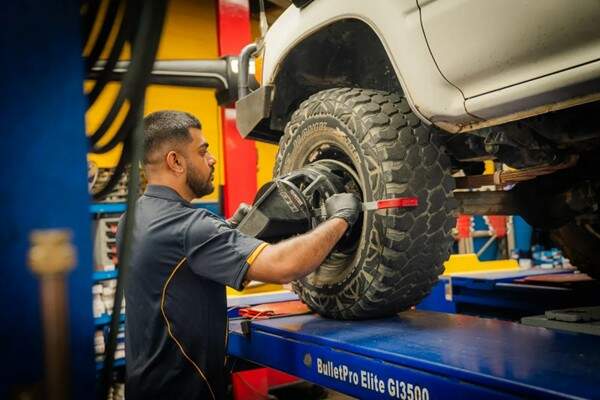
A precision wheel alignment starts with an inspection of tyres, suspension parts and steering linkages to find worn components that could affect geometry. The vehicle is put on a computerised alignment rack to measure camber, caster and toe against factory specs and record the pre‑adjustment values. Technicians then make the required adjustments, tie‑rod tweaks, control arm repositioning or shims where needed, followed by static and dynamic checks and a test drive to confirm handling. The process includes verifying tyre pressures and balancing if needed, and you receive a final inspection report so you know what was changed.
How Much Does Wheel Alignment Cost in Blacktown and What Are Your Booking Options?
Specific prices aren’t listed here because cost depends on whether a two‑wheel or four‑wheel alignment is needed, the vehicle type and any extra repairs or parts required. Booking options at the workshop include online enquiries, phone bookings and walk‑ins. Same‑day servicing may be available depending on schedule, and free tyre safety checks can help prioritise work. Payment flexibility, like Afterpay and warranties on the work add convenience and peace of mind for local drivers.
| Service Offer | What it Includes | Benefit/Outcome |
| Alignment Check | Measurements of camber, caster and toe; tyre inspection | Quick diagnostic to decide if a full alignment is needed |
| Two-wheel alignment | Adjustment of front axle angles to spec | Improved steering and corrected front tyre wear |
| Four-wheel precision alignment | Full measurement and adjustment of all four corners | Best result for modern cars and those with independent rear suspension |
Which Areas Does Goodyear Autocare Blacktown Serve for Wheel Alignment?
The workshop serves Blacktown and nearby suburbs, giving local drivers convenient access to tyre and alignment services. Service areas include Blacktown, Prospect, Seven Hills, Bungarribee and Toongabbie, which makes same‑day servicing and free tyre safety checks practical for commuters and families. If you live in these suburbs, booking an alignment at the local centre brings certified mechanics and Goodyear tyres close to home and helps keep your car handling safely on the roads you drive every day.
When Should You Get Your Wheels Aligned in Blacktown?
Regular alignment checks protect your tyre investment and keep handling safe. A practical rule is to check alignment during routine servicing or roughly every 6,000 miles (about every other oil change), with sooner attention if you notice symptoms or after specific events. You should get an immediate check after hitting a large pothole, striking a kerb, being involved in a collision, or after suspension or steering repairs that could change geometry. The sections below explain recommended intervals and the events that require a prompt alignment inspection so you can schedule service at the right time.
How Often Should Wheel Alignment Be Checked for Optimal Car Performance?
As a general guide, have alignment checked at regular service intervals or about every 6,000 miles, though manufacturers may recommend different schedules. Drivers in Blacktown who face rough roads, many short trips, or frequent kerb contact should check more often because local conditions speed up geometry drift. Alignment checks work best when combined with tyre rotation and balancing, so corrections are coordinated and cost‑effective. Keep a simple service log and do a visual tyre check each month to spot signs that an earlier alignment is needed.
What Events or Symptoms Should Prompt an Immediate Wheel Alignment Check?
Some events and symptoms need prompt attention because they often indicate sudden changes to suspension or steering geometry that affect safety. Immediate triggers include a hard hit to a pothole, a kerb strike, rapid onset of uneven tyre wear, or a sudden change in steering feel, such as strong pulling or wobbles. If you experience any of these, slow down, check tyres for visible damage and arrange a professional inspection quickly to confirm alignment and check for suspension issues. Acting fast reduces the chance of further tyre damage and extra mechanical repairs.
For drivers who notice urgent triggers, Goodyear Autocare Blacktown offers free tyre safety checks that can spot urgent problems and advise next steps; booking a prompt check helps stop small issues from turning into expensive repairs.
Frequently Asked Questions
What are the long-term effects of neglecting wheel alignment?
Ignoring wheel alignment leads to uneven tyre wear and can force you to replace tyres sooner. Misalignment also raises rolling resistance, increasing fuel use and placing extra strain on suspension parts. Over time, this can mean higher repair bills and a drop in vehicle safety. Regular alignment checks help avoid these problems and keep your car performing as it should.
How can I perform a basic wheel alignment check at home?
You can do a few simple checks at home, though a professional alignment is recommended. Inspect tyres for uneven wear patterns that could indicate misalignment. Drive on a straight, level road and briefly let the wheel go; if the car drifts, it may need alignment. Als,o check that the steering wheel is centred when driving straight. If you see issues, book a professional check.
Are there specific driving habits that can affect wheel alignment?
Certain habits do affect alignment. Frequent hard cornering, aggressive braking and hitting potholes or kerbs can knock the suspension out of spec. Driving on rough or uneven surfaces wears suspension parts faster, which can also lead to misalignment. To help maintain alignment, drive smoothly and avoid obstacles where possible.
How does wheel alignment impact tyre warranty claims?
Tyre warranties often require regular maintenance. If tyres wear unevenly due to misalignment, a manufacturer may decline a premature‑wear claim. To protect your warranty, keep up with alignment checks and proper tyre pressures, and keep maintenance records to support any future claims.
What should I expect during a professional wheel alignment service?
A technician will inspect your tyres, suspension components and steering linkages, then use computerised equipment to measure camber, caster and toe against factory specs. They will make any necessary adjustments and perform a test drive to confirm handling. You should receive a report showing what was measured and what was corrected, along with any recommendations.
Can wheel alignment affect my vehicle's braking performance?
Yes. Correct alignment helps distribute braking forces evenly across the tyres, which leads to more predictable stopping distances and better control in emergencies. Misalignment can cause uneven braking and longer stopping distances, especially on wet or slippery roads. Regular alignment checks help keep braking performance at its best.
Is it possible to align wheels after a suspension upgrade?
Absolutely. You should have wheels aligned after any suspension upgrade because changes can alter camber, caster and toe. A professional alignment ensures the new setup meets manufacturer or installer specifications, which preserves handling, tyre wear and overall safety. Schedule an alignment after upgrades to get the full benefit of your new parts.
How Do I Know If My Car Needs a Wheel Alignment?
Key signs you need an alignment include the car pulling to one side on level roads, visible uneven tyre wear, a steering wheel that isn’t centred when driving straight, and new vibration or wobble at normal speeds. Simple at‑home tests are checking tyre pressures, driving on a straight road with a light grip on the wheel to see if it pulls, and inspecting tread edges for uneven wear. If any sign persists, book a professional alignment and suspension inspection. Early action prevents accelerated tyre wear and keeps handling predictable.
What Are the Benefits of Regular Wheel Alignment?
Regular alignment brings clear benefits: better fuel economy, longer tyre life and improved safety. Correct alignment reduces rolling resistance, spreads wear evenly across tyres and eases stress on suspension parts, all of which lower repair bills and improve braking predictability. Regular checks also help steering and driver‑assist systems perform correctly because they rely on accurate geometry. Together, these benefits lower your total cost of ownership and boost everyday driving confidence.
Can Wheel Alignment Be Combined With Other Tyre and Mechanical Services?
Yes, combining alignment with tyre rotation, wheel balancing, and a suspension inspection gives the best value. Many workshops offer packages where alignment is done alongside tyre fitting, balancing and brake checks, so related issues are fixed in one visit. This saves time, keeps measurements consistent after tyre rotation and finds worn parts that would otherwise compromise alignment results. For convenience and cost savings, schedule combined services when your tyres need rotation or if you suspect suspension wear.
- Common combos include alignment plus tyre rotation, alignment with wheel balancing, and alignment after suspension repairs.
- Combining services cuts repeat labour and ensures adjustments are made on a balanced wheel setup.
- A coordinated approach gives the best long‑term protection for tyres, steering, brakes and suspension parts.
These combined services are practical and money‑saving, making coordinated maintenance the preferred strategy for most drivers.
- Inspect tyres monthly: Quick visual and pressure checks help spot wear early and guide alignment timing.
- Note handling changes immediately: Any new pulling, vibration or steering imbalance should trigger an alignment check.
- Combine services where possible: Pair alignment with rotation and balancing to maximise tyre life and handling consistency.
Regular checks and coordinated services protect your vehicle and your wallet by reducing how often you need to replace tyres or make repairs.
This article covered what alignment is, how to spot problems, the benefits for fuel, tyres and safety, and local professional options for drivers in Blacktown. If you need a professional inspection, Goodyear Autocare Blacktown at 116 Bungarribee Rd provides certified mechanics, computerised alignment equipment, free tyre safety checks and flexible booking to help you keep driving safely and efficiently on local roads.
Conclusion
Keeping your wheel alignment correct is one of the easiest ways to improve performance, safety and fuel efficiency, especially for drivers in Blacktown. When camber, caster and toe are within spec, tyres last longer, repairs cost less, and driving feels smoother. Regular checks and professional alignments prevent premature wear and help maintain safer handling on local roads. Book your alignment service with Goodyear Autocare Blacktown to keep your car performing at its best.
.jpg) How Often Should You Check Your Brakes? More Often Than You Think
How Often Should You Check Your Brakes? More Often Than You Think
 5 Tyre Problems You Can Spot Before They Leave You Stranded
 How Much Does a Pothole Really Cost Your Car? Tyres, Alignment and Suspension