

How to Prepare Your Car for Long Road Trips Across NSW

Planning a long road trip across New South Wales is exciting - whether you’re heading north along the coast, inland toward regional towns, or west across long stretches of open highway. But long-distance driving places far greater stress on your vehicle than everyday commuting. Higher speeds, prolonged engine operation, heat exposure, heavy loads, and limited access to roadside services mean that even minor mechanical issues can quickly turn into major problems.
For Blacktown drivers, preparing your car properly before a long NSW road trip is not optional - it’s essential. Breakdowns often occur because of overlooked maintenance issues such as worn tyres, low fluids, weak batteries, or brake problems that only reveal themselves after hours of driving. This comprehensive guide walks you through every critical system that needs checking before a long journey, explains why each step matters, and shows how regular servicing can prevent unexpected roadside emergencies.
By following this expert preparation checklist - and using professional services when needed - you’ll reduce the risk of breakdowns, improve safety, and enjoy a smoother, stress-free road trip across NSW.
Why Pre-Trip Vehicle Preparation Is Critical for NSW Road Trips
Long road trips differ significantly from short urban drives. Your vehicle operates under sustained load for hours at a time, often in extreme heat or remote areas where help may be far away.
Common NSW road trip risks include:
- Long distances between service stations
- Extreme summer heat
- Rough or uneven regional roads
- Wildlife crossings
- Limited mobile reception
- Fewer roadside assistance options
A vehicle that performs fine around Blacktown may struggle once exposed to extended highway speeds and high temperatures. Pre-trip preparation helps identify and fix weaknesses before they become dangerous.
Step-by-Step Guide to Preparing Your Car for a Long NSW Road Trip
1. Check Tyres Thoroughly - Your Most Important Safety Item
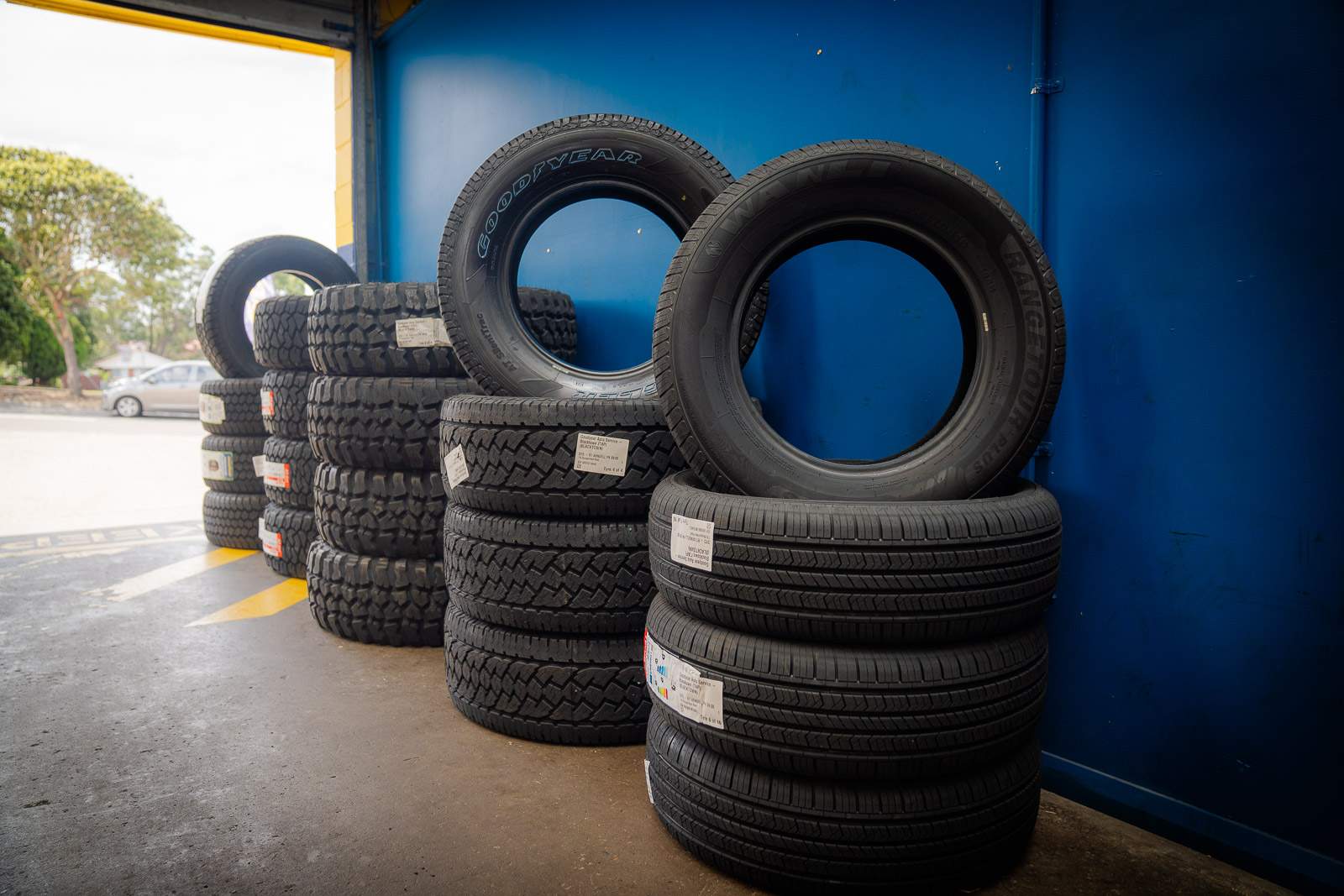
Tyres are the most common cause of road trip breakdowns. Heat, high speeds, and heavy loads place enormous stress on them.
What to Check:
- Tread depth (minimum legal limit is 1.6 mm - more is better for long trips)
- Uneven wear patterns
- Cracks, bulges, or sidewall damage
- Correct tyre pressure (including the spare tyre)
Why It Matters:
Underinflated or worn tyres overheat rapidly on NSW highways, significantly increasing the risk of blowouts - especially in summer.
Expert Tip:
Check tyre pressure when tyres are cold, and increase pressure slightly if carrying heavy loads (as per manufacturer guidelines).
2. Inspect the Spare Tyre and Emergency Equipment
Many drivers forget the spare tyre until it’s too late.
Make Sure You Have:
- Fully inflated spare tyre
- Jack and wheel brace
- Locking wheel nut key (if applicable)
- Reflective vest
- Warning triangle
Why It Matters:
A flat spare tyre is useless in remote NSW areas where roadside assistance may take hours.
3. Test the Braking System
Brakes are critical on long descents, sudden stops, and emergencies.
Check For:
- Brake pad thickness
- Brake fluid level and condition
- Noises such as squealing or grinding
- Vibration during braking
Why It Matters:
Worn brakes can overheat and fade on long drives, reducing stopping power.
4. Check Engine Oil and All Fluids
Fluids keep your vehicle running smoothly and cool under extended operation.
Essential Fluids to Check:
- Engine oil
- Coolant
- Brake fluid
- Power steering fluid
- Windscreen washer fluid
Why It Matters:
Low or old fluids increase friction, heat, and wear - leading to breakdowns or engine damage.
5. Inspect the Cooling System - Especially for Summer Travel
Overheating is one of the most common causes of road trip failures.
Cooling System Checklist:
- Correct coolant level
- No leaks under the vehicle
- Radiator hoses firm, not brittle
- The cooling fan operates correctly
Why It Matters:
NSW summer temperatures combined with long drives can push weak cooling systems past their limits.
6. Test the Battery and Charging System
Batteries often fail without warning - especially in hot conditions.
Signs of a Weak Battery:
- Slow engine cranking
- Dim headlights
- Dashboard warning lights
Why It Matters:
A dead battery in a remote area can leave you stranded for hours.
7. Inspect Belts and Hoses
Rubber components degrade over time and fail more frequently during long drives.
Check For:
- Cracks
- Fraying
- Loose belts
- Coolant hose leaks
Why It Matters:
A snapped belt or burst hose can immediately disable your vehicle.
8. Check Lights, Indicators, and Electrical Systems
Visibility and communication with other drivers is essential on long trips.
Ensure All Lights Work:
- Headlights (low and high beam)
- Brake lights
- Indicators
- Reverse lights
- Hazard lights
Why It Matters:
Poor visibility or failed brake lights increase accident risk, especially at night or in rural areas.
9. Test Air Conditioning and Cabin Comfort
Comfort directly affects driver alertness.
Check:
- Air conditioning performance
- Cabin air filter condition
- Fan speeds
Why It Matters:
Heat fatigue is a major contributor to driver error during long trips.
10. Listen for Warning Signs Before You Leave
Pay attention to how your car feels during short test drives.
Red Flags Include:
- New noises
- Vibrations
- Pulling to one side
- Dashboard warning lights
Ignoring these signs before a long trip almost guarantees problems later.
Long Road Trip Safety Checklist
|
Component |
What to Check |
Why It Matters |
|
Tyres |
Pressure, tread, damage |
Prevents blowouts |
|
Brakes |
Pads, fluid, noise |
Safe stopping |
|
Fluids |
Oil, coolant, brake fluid |
Prevents overheating |
|
Battery |
Voltage, terminals |
Avoids breakdown |
|
Cooling system |
Hoses, radiator |
Prevents engine damage |
|
Lights |
Full operation |
Visibility & safety |
|
Spare tyre |
Inflation & tools |
Emergency readiness |
How Regular Servicing Prevents Road Trip Breakdowns
Routine servicing identifies issues that aren’t obvious to drivers.
Servicing Helps By:
- Detecting early tyre wear
- Testing battery health
- Checking brake thickness
- Identifying fluid leaks
- Diagnosing warning lights
- Inspecting suspension and steering
A pre-trip inspection dramatically reduces the risk of unexpected failures.
How Goodyear Autocare Blacktown Helps You Prepare for NSW Road Trips
Goodyear Autocare Blacktown offers comprehensive pre-trip inspections and servicing designed specifically for long-distance travel.
Our Road Trip Preparation Services Include:
- Full tyre safety check
- Wheel alignment and balancing
- Brake inspection
- Battery testing
- Fluid top-ups and replacements
- Cooling system inspection
- Computer diagnostics
Our experienced technicians identify potential problems early and recommend solutions before your journey begins.
Frequently Asked Questions
1. How far in advance should I service my car before a road trip?
At least 1–2 weeks before departure, allowing time for repairs if needed.
2. Should I service my car even if it feels fine?
Yes. Many issues don’t show symptoms until the car is under prolonged stress.
3. Do I need a different tyre pressure for long trips?
Follow manufacturer guidelines, especially if carrying heavy loads.
4. What is the most common road trip breakdown cause?
Tyre failure and battery issues.
5. Is a pre-trip inspection worth it?
Absolutely. It costs far less than towing and emergency repairs.
Conclusion
Preparing your car properly before a long road trip across NSW is one of the smartest decisions you can make. From tyres and brakes to fluids and batteries, every system must be in top condition to handle extended highway driving, heat, and remote locations. A thorough pre-trip inspection reduces the risk of breakdowns, improves safety, and gives you peace of mind throughout your journey.
For professional road trip inspections, servicing, and expert advice, visit Goodyear Autocare Blacktown. Our technicians ensure your vehicle is ready for every kilometre - so you can focus on enjoying the road ahead.
.jpg) How Often Should You Check Your Brakes? More Often Than You Think
How Often Should You Check Your Brakes? More Often Than You Think
 5 Tyre Problems You Can Spot Before They Leave You Stranded
 How Much Does a Pothole Really Cost Your Car? Tyres, Alignment and Suspension